A Cleaner, Safer Auckland Workplace Starts with a Plan
Commercial cleaning in Auckland works best when it is planned around how your workplace actually operates. A clean site does more than look presentable. It helps support staff wellbeing, customer confidence, hygiene controls, asset care and the smooth running of daily work.
At White Spot Group New Zealand, we know that a dependable programme needs more than an occasional tidy-up. Commercial cleaning can cover routine cleaning, scheduled deep cleaning, washroom hygiene, waste management and specialist work, all delivered to an agreed scope and timetable. The right mix depends on your building, sector, occupancy, risk profile and operating hours.
Auckland workplaces face a wide range of demands. CBD offices can have busy shared spaces and high visitor numbers, while multi-tenant buildings need common areas kept to a consistent standard. Retail precincts, healthcare sites, schools, warehouses and body corporate properties each bring different access needs, safety considerations and expectations.
The most useful cleaning plan is never a one-size-fits-all checklist. We start by looking at the people using the site, the areas that need the most attention and the times when cleaning can happen without getting in the way.
Commercial Cleaning Across Auckland Site Types
Office cleaning often focuses on the spaces people notice and use every day. This includes desks, shared work areas, kitchens, meeting rooms, reception spaces, washrooms, bins and frequently touched surfaces. Hybrid work patterns can change how workplaces are used from day to day, so we recommend cleaning schedules that reflect actual occupancy rather than assumptions.
Retail sites need a consistent customer-facing standard. Entrances, floors, fitting rooms, change rooms, counters and washrooms all shape how visitors experience the space. Cleaning also needs to fit around opening hours, deliveries and foot traffic without interrupting customers or staff.
Education and healthcare settings call for added care. Schools and tertiary facilities need practical hygiene support across classrooms, staff rooms, amenities and shared learning areas. In healthcare and aged-care environments, cleaning teams must work carefully within site procedures, hygiene requirements, access controls and documented quality processes.
Industrial premises and body corporate sites can have very different needs again. These may include warehouse office cleaning, amenities servicing, dust control, floor care, bin-area maintenance and common-area cleaning. Across East Tamaki, Penrose, Manukau, the North Shore and West Auckland, we see how site access, machinery, tenant expectations and health and safety risks can shape the service plan.
What a Professional Cleaning Programme Can Include
Routine cleaning forms the day-to-day base of most commercial programmes. The right frequency depends on how heavily an area is used, how many people use it and the level of risk associated with the site.
A planned scope may include:
- Cleaning workstations, shared spaces and reception areas
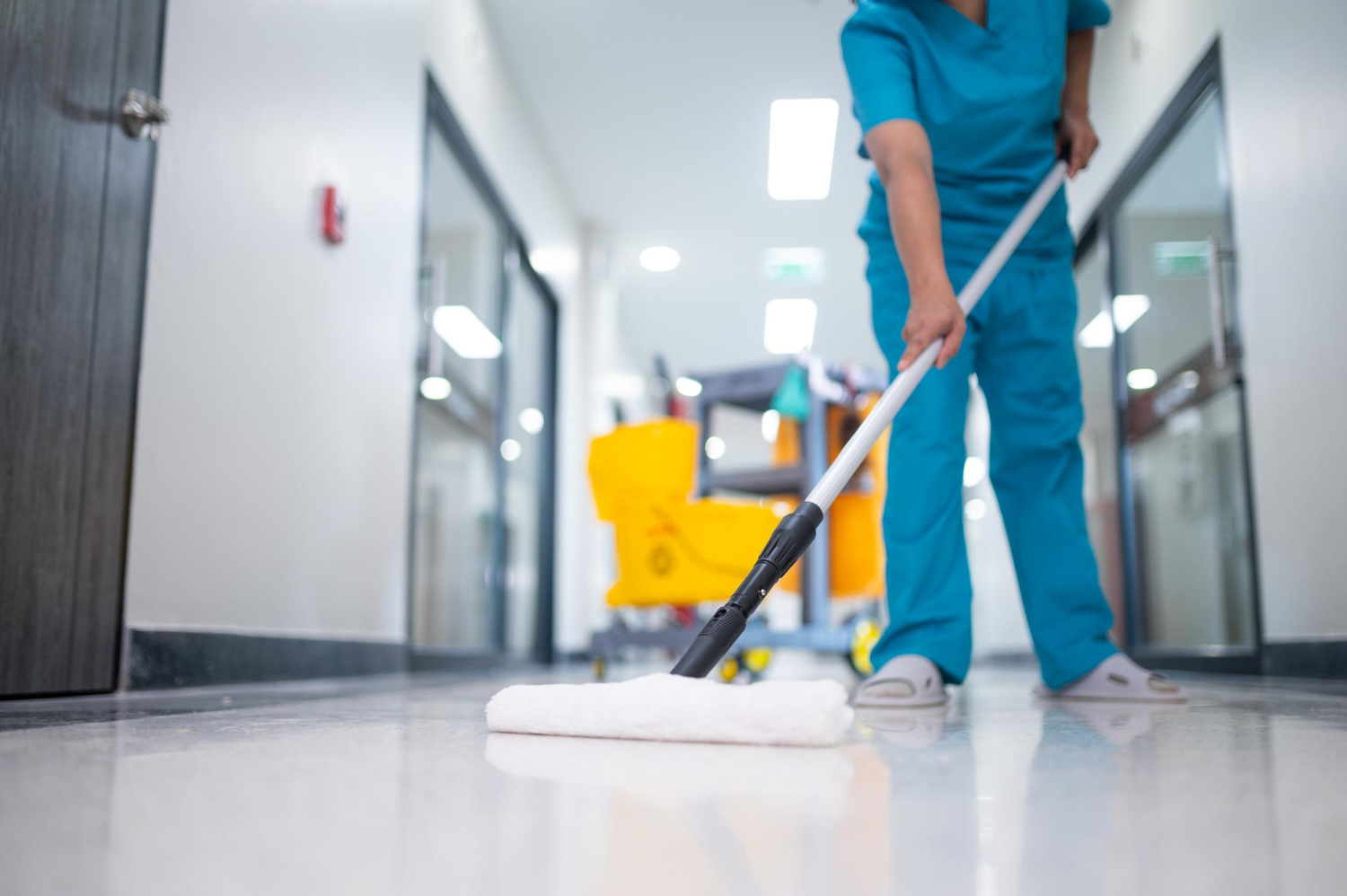
- Vacuuming, mopping and maintaining internal floors
- Servicing kitchens, washrooms and hygiene areas
- Emptying bins and managing waste areas
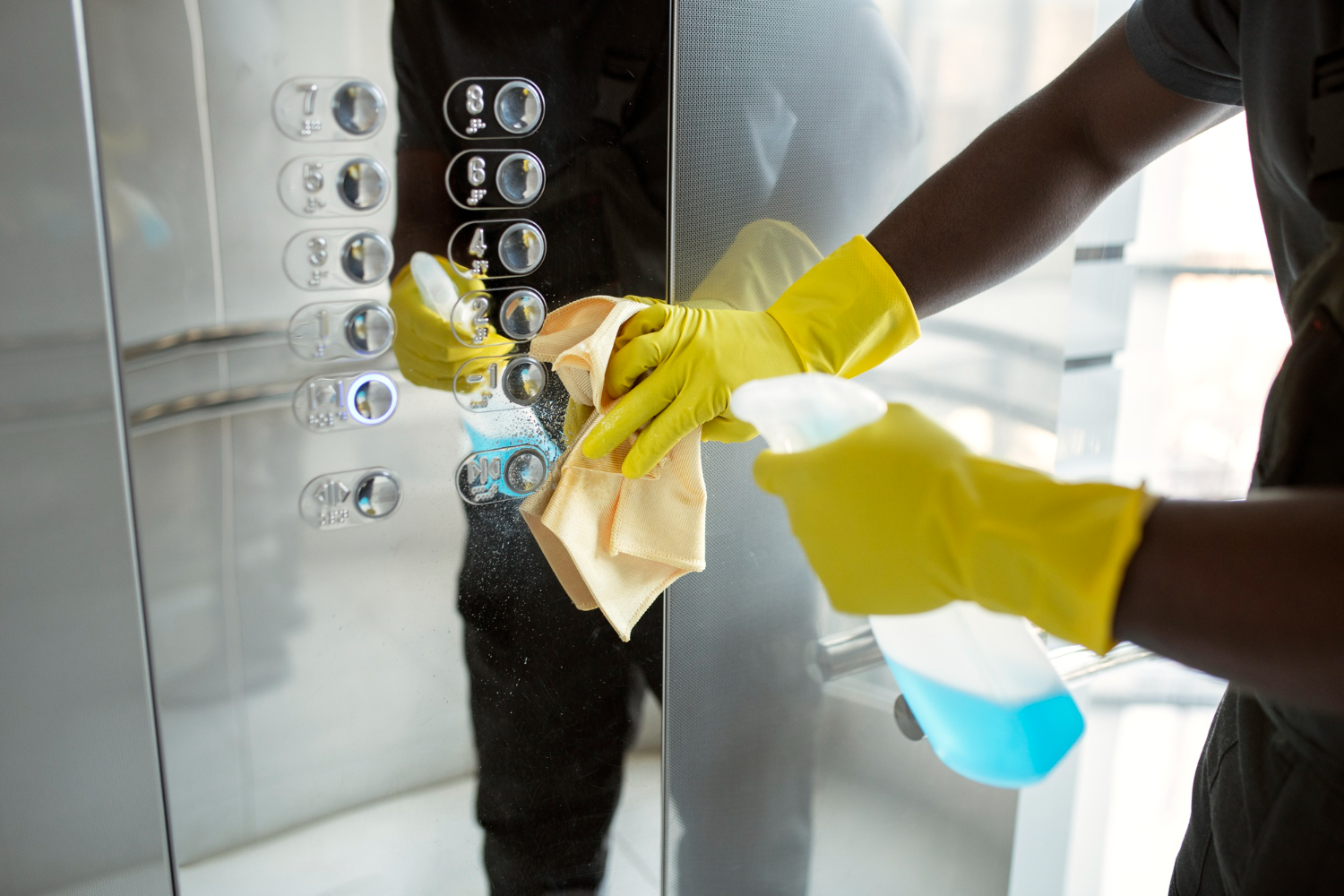
- Cleaning internal glass and high-touch points
Periodic services help keep the wider property in good condition rather than waiting for issues to build up. Depending on the premises, this may involve carpet and upholstery care, hard-floor maintenance, window cleaning, deep cleans, post-construction cleaning, consumables management, hygiene services or urgent response support.
Integrated facility services can make these moving parts easier to manage. Rather than relying on separate contacts for routine work, inspections, reporting and consumables, you can have a coordinated service structure. For facility managers overseeing several locations, we find that clear service levels, written or digital reports, escalation processes and regular reviews make it simpler to see what has been completed and where attention is needed.
How Site Risks Shape Cleaning Requirements
Every workplace has its own risks, and the cleaning scope should reflect them. A medical centre, food-adjacent retail site, school, corporate office and warehouse should not be cleaned in exactly the same way. They may need different products, frequencies, procedures and staff training based on what happens in the building.
Scheduling matters just as much as the task list. Auckland can present practical challenges, including building security, restricted access, public opening hours, shift changes, school timetables, patient activity, delivery windows and traffic that affects service routes. We work with clients to set cleaning times that support the site rather than disrupting it.
Health and safety must be part of the plan from the start. Under the Health and Safety at Work Act 2015, workplaces and service providers have responsibilities to manage work-related risks. Cleaning teams should follow safe work procedures, use suitable equipment and chemicals, manage slip and trip hazards, and complete site-specific inductions where required.
For sensitive sites, the programme should also account for client policies, hygiene protocols and restricted areas. A clear scope helps everyone understand what can be cleaned, when it can be cleaned and how concerns should be reported.
How Facility Managers Can Choose a Provider
When selecting a provider, we recommend looking beyond a simple hourly comparison. A capable commercial cleaning provider should take time to understand your site before proposing a service. That means asking about your cleaning risks, building layout, operating hours, presentation standards and reporting requirements.
Strong service controls help turn a written scope into reliable day-to-day delivery. Before making a decision, ask how the provider manages quality, people and unexpected issues.
Useful questions include:
- How will cleaning quality be checked and reported?
- Who will be your day-to-day contact?
- How are staff absences covered?
- What training and site induction do cleaners receive?
- How are urgent cleaning issues managed?
We also suggest reviewing supervision arrangements, quality audits, health and safety documents, insurance, workforce continuity and escalation pathways. A detailed scope of work reduces missed tasks and unclear expectations. It should spell out the areas to be serviced, the cleaning frequency, the standards expected and any exclusions or special requirements.
If you manage multiple sites, ask whether the provider can coordinate reporting and service standards across them. Consistency matters, but each site should still receive a plan that suits its own needs.
Put a Site-Specific Cleaning Plan Into Action
The best commercial cleaning in Auckland starts with a close look at your workplace. A site walk-through can identify priority areas, access limits, high-use zones, hygiene needs and times when cleaning can be completed safely. From there, measurable service expectations give everyone a clear picture of what good performance looks like.
Reliable cleaning comes from a programme that matches your people, premises and operational risks. When the scope, schedule, reporting and response process are clear, your workplace is better placed to maintain a professional, hygienic and well-managed environment.
Cleaning Support Built Around Your Workplace
White Spot Group New Zealand provides commercial cleaning in Auckland for businesses that need dependable support across their premises. Our team can tailor services to your building, operating hours and hygiene priorities. To discuss your requirements and request a tailored proposal, contact us today.