Protect Patients and Staff Before Hygiene Gaps Escalate
A medical clinic can look tidy and still have gaps in its cleaning programme. In spaces where people arrive with illnesses, injuries and respiratory symptoms, visible presentation is only one part of maintaining a hygienic environment. We recommend regular reviews so your cleaning scope continues to protect patients, staff, visitors and the confidence people place in your clinic.
Reception counters, waiting-room chairs, treatment rooms, bathrooms, staff areas and door handles all face different levels of use. Cleaning routines need to reflect those risks, along with your clinic’s layout, opening hours, patient traffic and internal infection prevention procedures. A review should look beyond daily tasks to examine frequency, products, training, quality checks and reporting.
Spring is also a sensible time to take stock. Allergy and respiratory appointments can place extra pressure on waiting rooms and consultation spaces, while wet conditions in some parts of New Zealand may increase dirt and moisture around entrances.
Rising Patient Complaints Can Point to Cleaning Gaps
Patient complaints are often the first sign that a cleaning schedule is no longer matching the clinic’s needs. A bathroom odour, dusty seating area or overflowing bin may seem minor on its own. Yet patients may connect what they see in shared spaces with the standard of care they expect elsewhere in the clinic.
Common concerns that should prompt a closer look include:
- Dirty or marked floors near entrances and reception
- Smudged glass, counters or visibly unclean touchpoints
- Untidy waiting rooms or treatment spaces
- Bathroom odours, empty supplies or poorly presented fixtures
- Bins that fill before the scheduled cleaning time
Indirect signals matter too. Your front-desk team may be spending too much time handling cleaning concerns, clinicians may be reporting that rooms are not ready, or maintenance requests may be becoming more frequent. When the same issues keep returning, the cause is usually not one missed task. It may be unclear responsibilities, unsuitable service times or a lack of quality inspections.
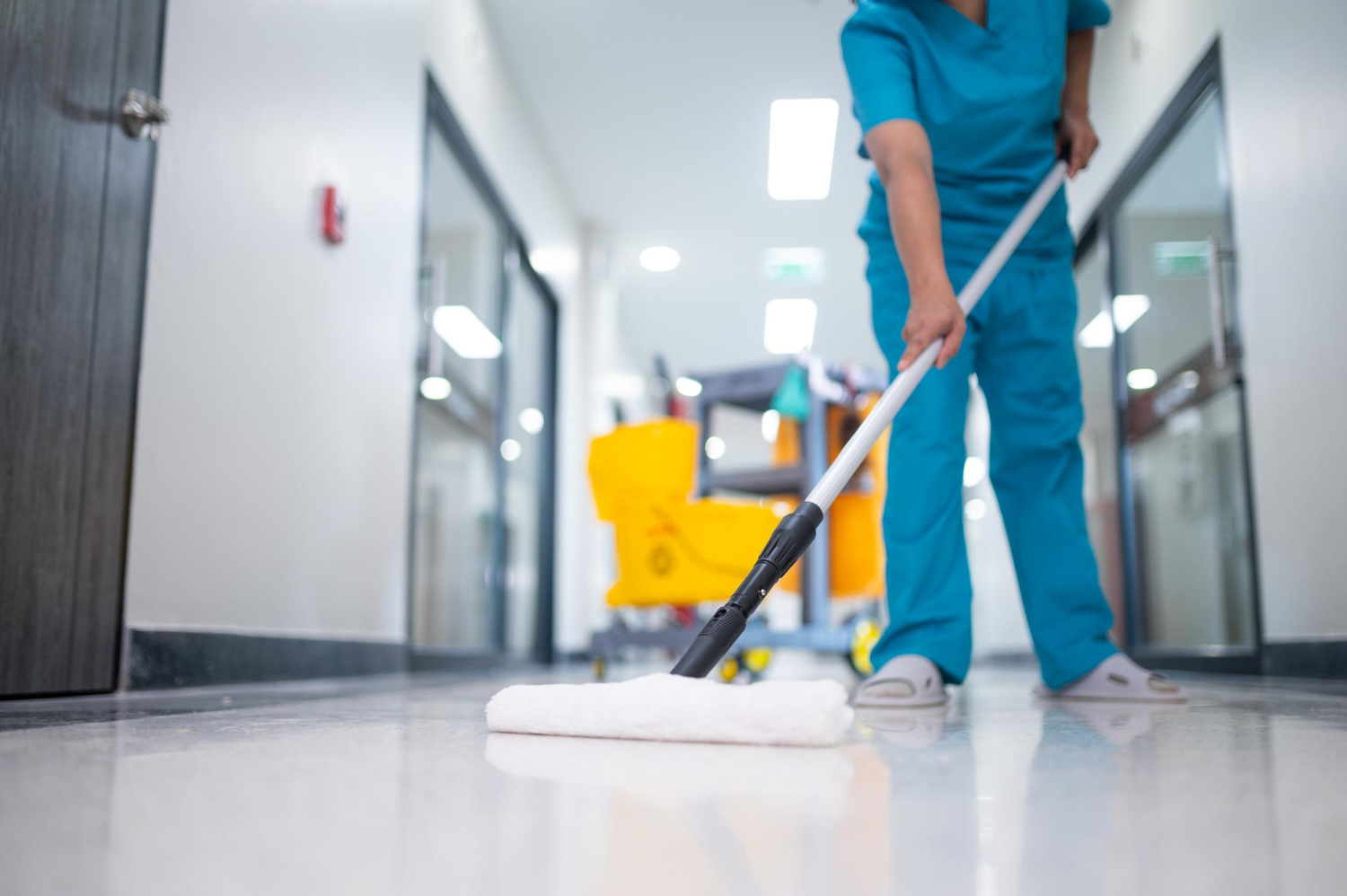
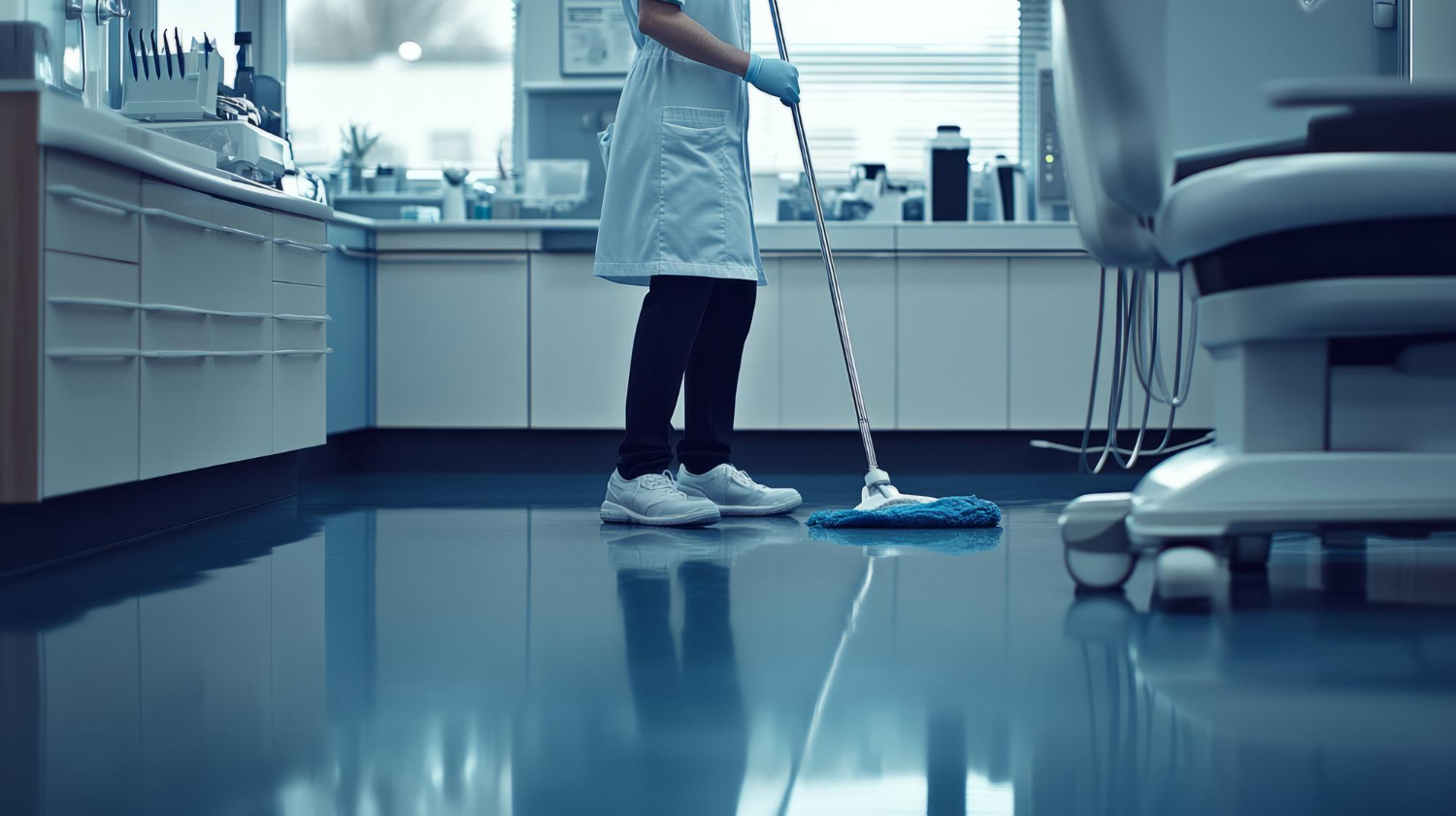
As medical clinic cleaners, we look at how people move through the site, when patient traffic peaks and which areas receive the heaviest use. This helps us separate routine cleaning tasks from spaces that need closer attention throughout the day. A healthcare-focused programme should not simply copy a general office-cleaning scope.
Incomplete Cleaning Records Create Compliance Risks
Cleaning records give clinic managers a clear picture of whether agreed tasks are being completed. In a healthcare setting, it is helpful to know what was cleaned, when it happened, who carried it out and whether any defects were corrected. Without that information, it can be difficult to show that cleaning activity has been consistently managed in line with your clinic’s own procedures.
Paper checklists can be useful, but only if they match the real work being done. A sheet that is signed without detail, completed at inconsistent times or left blank does not provide meaningful oversight. The same is true when tasks are written too broadly, such as “clean bathroom”, without defining the fixtures, touchpoints and restocking duties involved.
Warning signs in your current records may include:
- Incomplete or missing sign-offs
- Task lists that do not reflect the current layout
- No clear person responsible for follow-up
- Defects reported without a documented resolution
- Quality inspections that happen irregularly or not at all
We build site-specific schedules around the spaces and priorities that matter to each client. Supervisor checks and auditable reporting can give facility teams a clearer view of service delivery. Cleaning activity should always align with your internal infection prevention policies, health and safety obligations and relevant New Zealand healthcare requirements.
High-Touch Areas Need More Than a Daily Wipe
Broad tasks such as vacuuming, mopping and emptying bins are important, but they do not always cover the touchpoints people use all day. Reception counters, EFTPOS terminals, door plates, lift buttons, waiting-room armrests, bathroom fixtures, shared keyboards, staff kitchens and frequently used clinical furniture may need a different frequency from general floor care.
It is also important to understand the difference between cleaning and disinfection. Cleaning removes soil and contamination from a surface. Disinfection may be required for nominated higher-risk surfaces under your clinic’s procedures. Where it is required, products must be appropriate for the material, used according to the manufacturer’s directions and left wet for the stated contact time.
Training should be part of the review, not an afterthought. Medical clinic cleaners need to understand colour-coded equipment, contamination control, chemical safety, safe waste handling, restricted areas and escalation steps for spills or incidents. Consistent site-specific training helps reduce the risk of equipment or methods being carried between public, staff and clinical spaces.
Changing Clinic Operations Can Outdate Your Scope
A cleaning programme should change when your clinic changes. New consultation rooms, added treatment services, longer opening hours, higher booking volumes, new equipment or an extra tenancy can all affect what needs to be cleaned and when. A scope designed for a smaller clinic may leave gaps once patient flow and daily activity increase.
Timing matters as much as the task list. An after-hours clean may keep the clinic presentable for the next day, but it may not address pressure points during busy periods. Entrances can require extra attention in wet weather, while waiting areas may need more frequent checks when seasonal appointments increase.
We recommend reviewing whether your cleaning partner can adjust service levels when needs change. This may include flexible frequencies, periodic deep cleaning, floor care, washroom support and clear communication when unexpected issues arise. Our integrated facility services can be particularly helpful for healthcare providers managing several sites across New Zealand and Australia.
Review Your Programme for Safer Day-to-Day Care
A cleaning review is not about finding fault with staff or suppliers. It is a practical check that your programme still reflects patient needs, current operations and hygiene expectations. Repeated complaints, incomplete records, neglected touchpoints, changing patient numbers and an outdated scope are all good reasons to reassess the service.
Start with a room-by-room review of cleaning frequencies, responsibilities, training, quality controls and reporting. When those details are clear and suited to the way your clinic operates now, your team has a stronger foundation for maintaining a clean, orderly and well-managed environment.
Improve Cleaning Oversight With Specialist Support
White Spot Group New Zealand can help you assess whether your current arrangements are meeting the practical needs of your clinic. Our medical clinic cleaners provide healthcare-focused cleaning programmes designed around your premises, operating hours and hygiene requirements. If you would like to discuss your cleaning needs, contact us to arrange a consultation.