Protect Patients with Infection-Smart Cleaning
A medical centre can look tidy and still carry avoidable infection risks. Dust-free desks and clean floors matter, but so do the surfaces touched by dozens of people each day, the treatment areas used between appointments, and the amenities shared by staff and visitors.
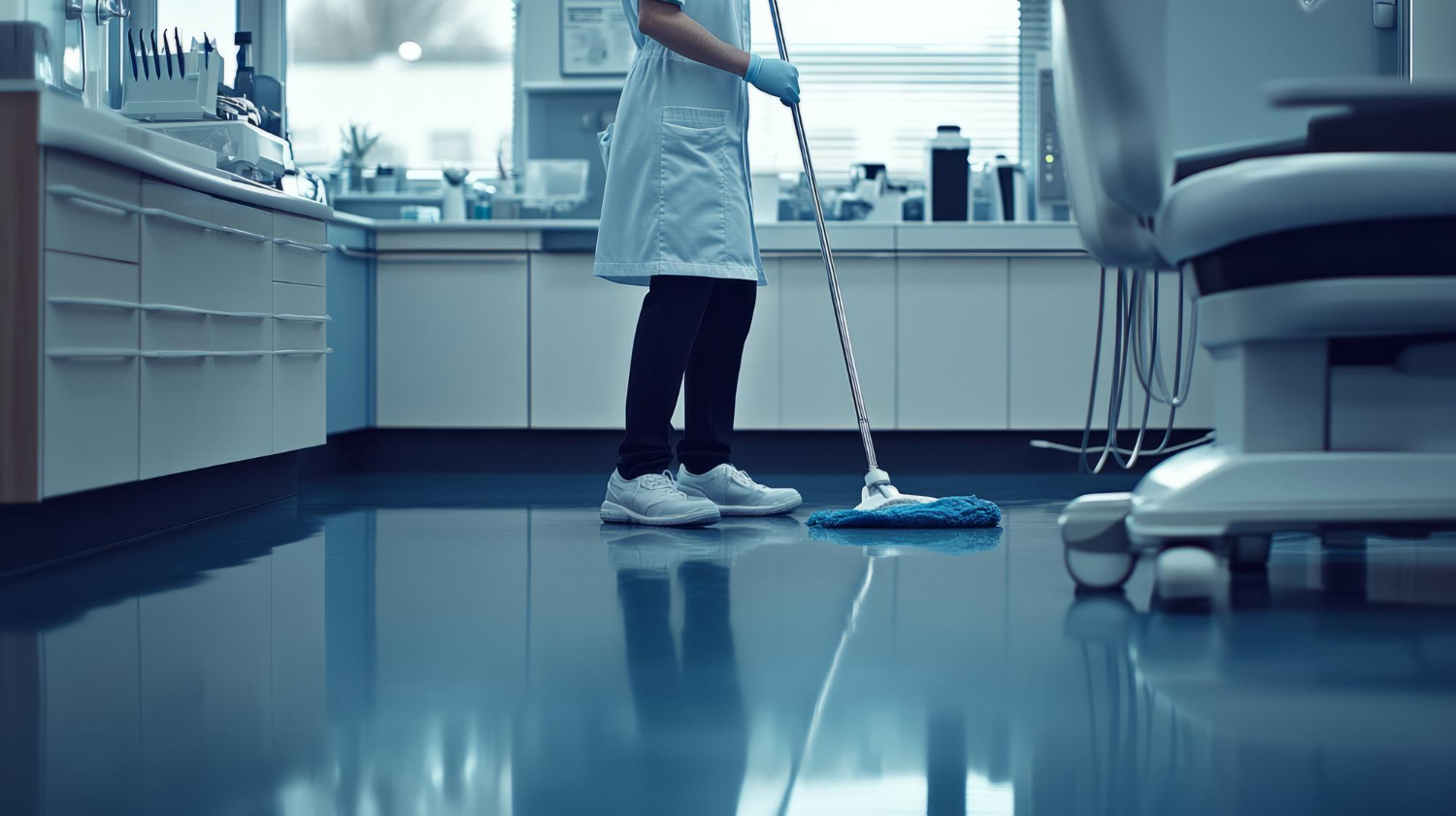
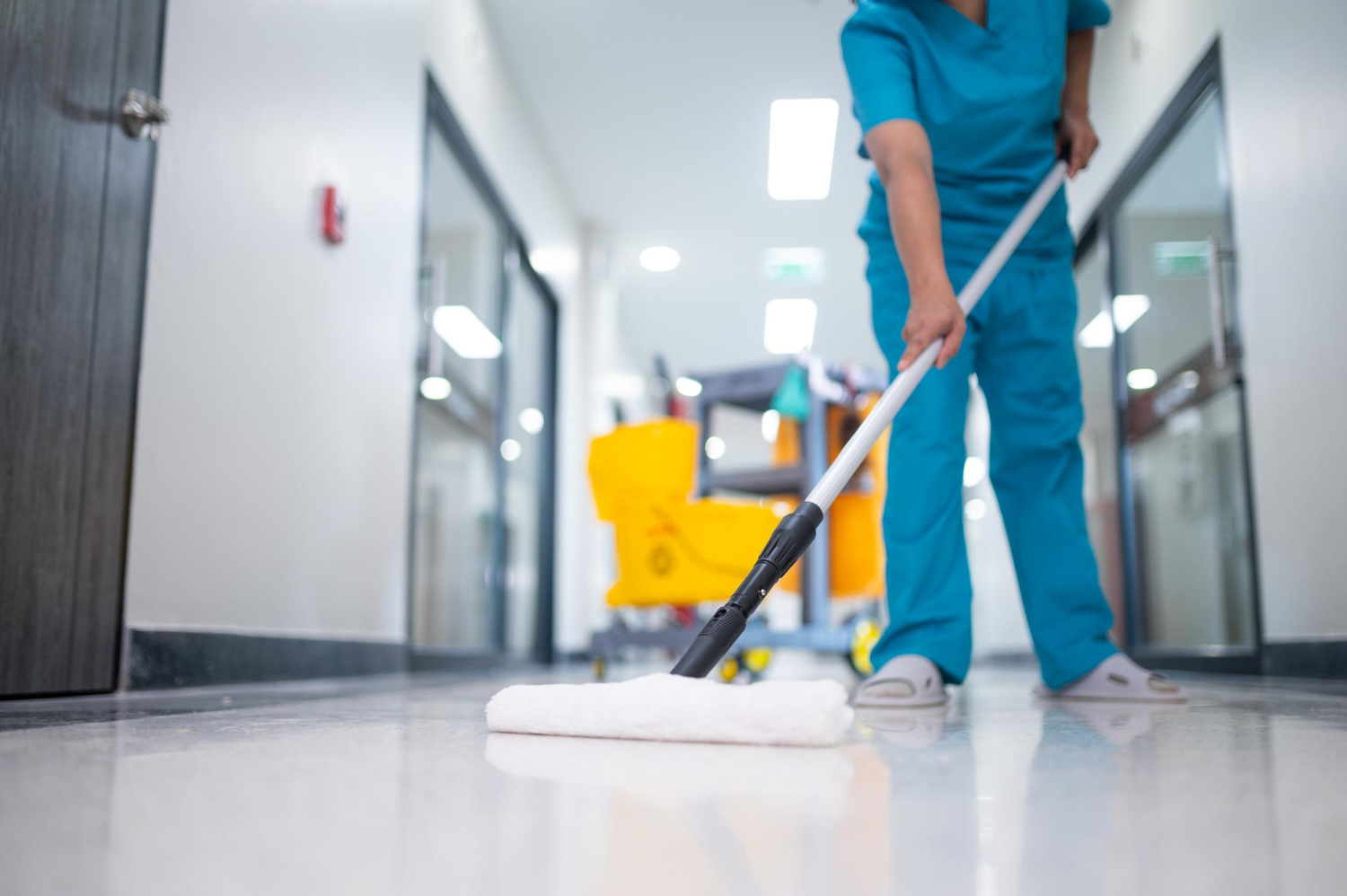
For us, medical centre cleaning is not standard office cleaning with extra wiping. It is a documented, risk-based programme that supports your infection prevention policies, safe work practices, hygiene standards and patient confidence. As a provider of commercial cleaning and facility services, we tailor cleaning programmes for Auckland GP practices, specialist clinics, urgent care settings and other healthcare environments.
How Medical Centre Cleaning in Auckland Reduces Risk
Medical centres have a different cleaning burden from conventional workplaces. People may arrive with respiratory symptoms, gastroenteritis, skin conditions or other communicable illnesses. Meanwhile, clinicians, reception staff and visitors move between waiting areas, consultation rooms, bathrooms and shared staff spaces throughout the day.
Cleaning is one layer of infection control, not a replacement for clinical procedures. Your medical centre remains responsible for clinical governance, hand hygiene, personal protective equipment, patient screening and local infection control policies. We work within those requirements, using clear instructions about what needs attention, who to notify and how incidents are escalated.
Auckland practices can also face operating pressures that change from site to site. Busy appointment blocks, extended hours, shared tenancy entrances and a wide range of patient needs all affect how a programme should run. Rather than relying on a generic checklist, we consider your layout, patient flow, room use and peak periods.
A practical programme may account for:
- Reception and waiting-room traffic at different times of day
- Consultation rooms with different levels of use
- Shared lifts, corridors and bathrooms in multi-tenant buildings
- Cleaning access around early starts, late clinics or weekend services
Match Cleaning Methods to Clinical Risk Zones
Risk zoning is the starting point for a sensible medical centre cleaning plan. Public zones, such as entrances, reception counters, waiting rooms and public toilets, need different attention from consultation rooms, treatment spaces, specimen collection areas and staff amenities.
Each zone should have cleaning frequencies, products, equipment and methods that suit its use. High-traffic public areas may need repeated touchpoint cleaning during the day. Clinical rooms may need cleaning between patients or at set intervals, based on your practice policies and how the room is used. Our role is to follow the agreed scope carefully and flag issues when site conditions change.
Cross-contamination controls matter just as much as frequency. A cloth used in a public toilet should never move into a reception area or clinical room. Clear systems make this easier for cleaning teams to follow consistently, particularly when shifts change.
We recommend controls such as:
- Colour-coded cloths and mops for separate zones
- Dedicated equipment for toilets and clinical spaces
- Correct chemical dilution and labelled containers
- Clean-to-dirty workflows and secure supply storage
Reusable medical device reprocessing is a specialised clinical task. It should not be confused with routine environmental cleaning, and it needs to remain under the practice’s approved clinical processes.
Manage High-Touch Areas, Spills and Waste Safely
High-touch surfaces can be overlooked because they are small, spread across the site and used constantly. Door handles, reception counters, EFTPOS terminals, chair arms, light switches, lift buttons, taps, flush plates, keyboards and shared clinic equipment can all need scheduled attention where appropriate.
An auditable schedule helps everyone understand what has been completed, when it was done and whether further action is needed. It also gives practice managers a clearer view of recurring pressure points, such as busy reception areas or bathrooms during peak appointment times.
Spills involving blood or body fluids require a planned response, not an improvised one. Cleaning staff need suitable training, personal protective equipment, approved spill kits and clear escalation steps. Sharps and clinical waste must go through your medical centre’s approved waste arrangements. They should never be placed in general waste by a cleaning team.
It is also helpful to separate cleaning from disinfection. Cleaning removes visible soil and organic matter. Disinfection uses an appropriate product, applied for the manufacturer’s stated contact time, to reduce microorganisms on a cleaned surface. We make sure products suit the surface, directions are followed, and the process aligns with your centre’s infection control procedures.
Choose Medical Centre Cleaning in Auckland with Proof
A capable cleaning contractor should be able to show more than a task list. For healthcare-related environments, we believe you should expect staff training that relates to the site, a clear induction process, documented procedures, safe chemical management and an identified contact for operational concerns.
Verification is what turns a written cleaning plan into a working standard. Inspection records, audit results, corrective action reports and regular service reviews can show whether tasks are being completed as agreed. They also help you spot patterns before they become ongoing issues.
When assessing a provider, ask how they manage:
- Site-specific staff induction and documented procedures
- Routine inspections and quality checks
- Incident reporting and corrective actions
- Changes to room layouts, patient volumes or operating hours
- Chemical storage, safety data and equipment controls
Spring is a sensible time for Auckland practices to review their cleaning arrangements before summer leave periods and heavier year-end appointment demand. We recommend checking holiday coverage, deep-cleaning needs, consumable stock, ventilation touchpoints and response plans for spills or increased patient traffic. A planned review is far easier than trying to adjust services during a busy clinic day.
Make Infection Control a Measurable Daily Standard
A well-designed programme gives you more than a clean-looking facility. It makes cleaning tasks clear, risk-based and repeatable, with checks that show whether the expected standard is being met. As your practice changes, the programme should change too, whether that means different opening hours, new rooms, higher patient turnover or revised infection control procedures.
The best daily standard is one your team can see in action: appropriate methods for each area, clear records, safe responses to incidents and regular review of what is working. That steady approach supports a cleaner, more organised environment for everyone who enters the medical centre.
Strengthen Your Centre’s Hygiene Programme
White Spot Group New Zealand can tailor medical centre cleaning in Auckland to the needs of your facility, patient areas and operating schedule. Our team works with healthcare environments to support reliable cleaning outcomes and practical site requirements. To discuss a programme for your centre, contact us today.