Why Your Factory Cleaning Contractor Choice Matters
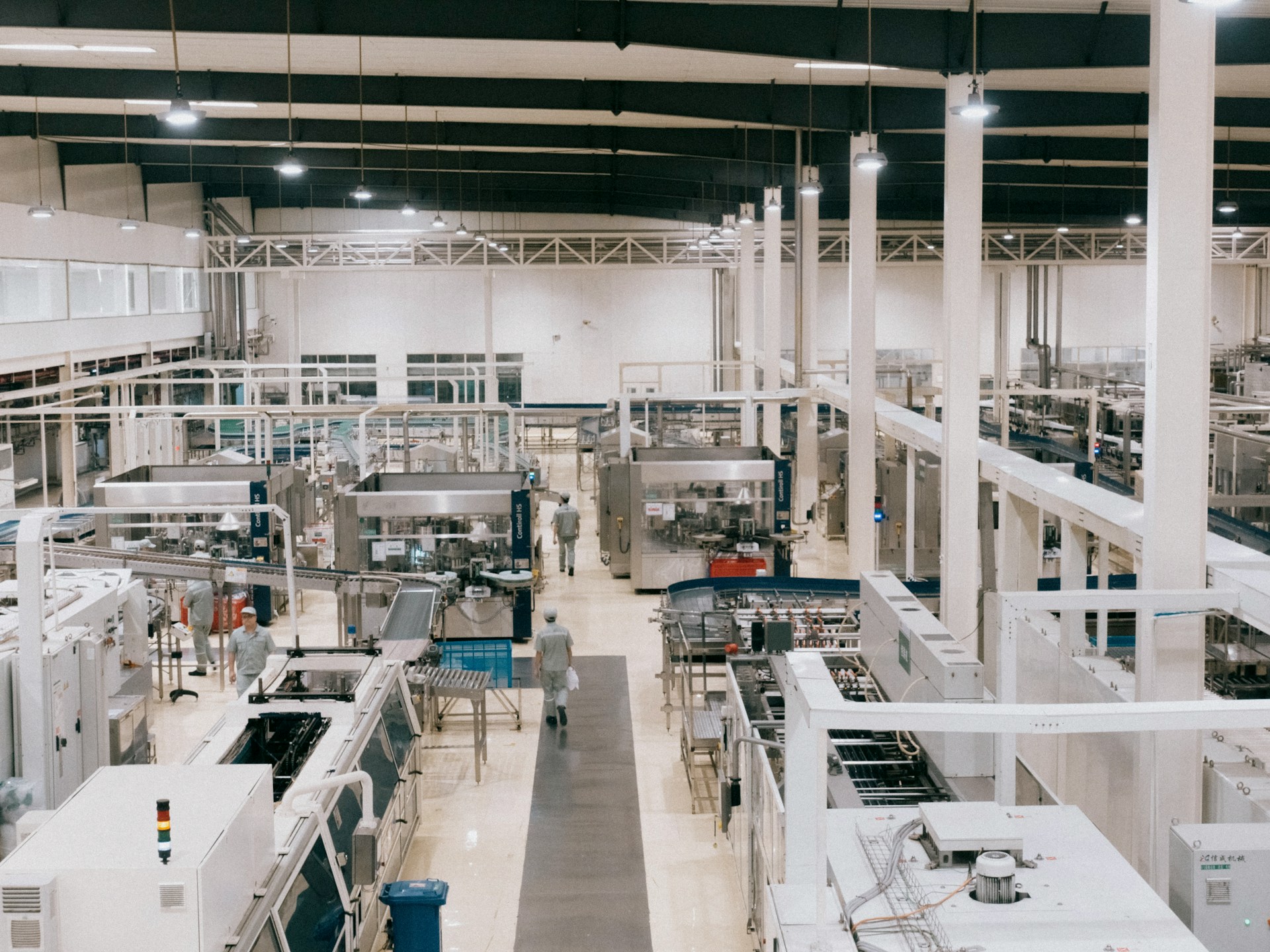
Factory cleaning is not about shiny floors; it is about whether people go home uninjured and whether your plant keeps running. Poor cleaning regimes sit behind slips, trips and falls, dust explosions, contamination events, and ugly non-compliances in regulator and client audits. When you strip it back, your factory cleaning contractor is part of your health and safety risk profile, not just a line item in your budget.
From years sitting through incident reviews, regulator visits and insurance renewals, we have seen cleaning quality show up as both a cause and a control. The contractor you choose will influence measurable outcomes like incident frequency, insurance excesses, audit scores, asset life and uptime. Treating that decision as a procurement exercise only, instead of a risk decision, is where many facilities get caught out.
How Cleaning Impacts Safety, Uptime and Compliance
Good housekeeping is a basic health and safety requirement, not a nice-to-have. WorkSafe New Zealand guidance is very clear that housekeeping controls hazards such as slips on spilled liquids, trip hazards from waste, and fire loads from accumulated dust and debris.
In factory environments, cleaning controls very specific risks, for example:
- Oily residues and coolants on floors that cause slips or forklift loss of control
- Combustible dust sitting on overheads, cable trays and plant tops that feeds fires
- Blocked emergency exits and access to extinguishers from stored pallets and waste
- Cross-contamination between clean and dirty zones via mops, tools or traffic routes
Uptime is just as exposed. We regularly see:
- Contamination incidents that force rework, recalls or scrappage
- Pest incursions from poor waste handling and external dock cleaning
- Equipment failures where corrosive residues, product build-up or metal swarf are left in place
- Sensor faults and overheating where dust blankets electrical cabinets and motors
Cleaning regimes are also part of compliance. For many factories the documented frequencies, methods and chemicals form controls under:
- The Health and Safety at Work Act 2015 and its regulations
- Environmental licences and trade waste agreements
- Food safety standards and client technical requirements
- Internal risk registers and hierarchy of control reviews
If cleaning is undocumented, inconsistent, or light on verification, you are accepting higher regulatory and commercial exposure than you probably realise.
What a Competent Factory Cleaning Contractor Looks Like
A capable factory cleaning contractor has to be able to stand up to the same scrutiny as your maintenance provider or OEM. At White Spot Group we treat documented management systems and evidence as non-negotiable, because our work is part of your compliance chain.
At a minimum, you should expect:
- ISO 9001 quality management, so there is a defined system behind the service
- ISO 14001 environmental management, so waste and chemicals are controlled
- ISO 45001 safety management, to align with your health and safety expectations
Do not accept a logo on a proposal without sighting current certificates. A competent operator will also have:
- Site-specific task analyses for high-risk tasks such as working at heights, confined spaces, or ride-on plant
- Regular toolbox talks, with records you can inspect
- Chemical registers and Safety Data Sheets on site and accessible
- Equipment maintenance logs for scrubbers, vacuums and access equipment
- Evidence of staff competency assessments and training aligned to your risks
Industrial experience matters. Factories need a contractor who understands:
- Confined space entry, isolation and rescue interface with your permits
- Working around live plant, lockout/tagout boundaries, and energy sources
- How to clean around production schedules without introducing new hazards or downtime
Without that capability, you end up supervising the contractor more than they are controlling your risk.
Factory-Specific Risks Many Cleaners Miss
A lot of general cleaning companies do fine in offices, then get caught out on the factory floor. The blind spots are usually the areas that do not show up in a quick walk-through.
High cleaning is a common example. Overhead beams, cable trays, light fittings and the tops of tanks and ducting tend to collect dust, fibres and lint. Left in place, that build-up increases fire load and, in some environments, adds to dust explosion risk when it is disturbed.
Other frequently missed areas include:
- Line-change and shutdown cleaning, where residues and fragments can contaminate the next run
- Product build-up in hard-to-reach areas of conveyors, fillers and guards
- Metal and plastic fragments trapped under guarding or in pits
Support spaces also carry significant risk if they are not in scope or are under-serviced:
- Plant rooms with oil leaks, trip hazards and poor access to isolation points
- Battery charging areas where acid, water and electrical hazards intersect with poor housekeeping
- Chemical storage, where spills, incompatible storage and blocked bunds create exposure
- Loading docks and waste areas where spills, vermin and litter can lead to regional council complaints
When a contractor lacks industrial discipline, these areas stay dirty because they are not visible in ten-minute inspections or standard checklists.
Due Diligence Questions Before You Let Them on Site
Before you issue a purchase order, you should test a prospective factory cleaning contractor against your risk profile. A formal tender is useful, but the content of what you ask matters even more.
Some practical questions to put on the table are:
- Can you provide sample task analyses for working at heights, confined spaces and ride-on scrubbers?
- What are your incident statistics for the last few years and how do you close out corrective actions?
- How do you induct new staff on our site, and what site-specific training do they receive?
- How do you manage keys, access cards and interface with our permit-to-work systems?
- What supervision ratios do you run on night shifts and weekends?
You should also examine their mobilisation and resourcing approach in detail:
- Do they provide site maps, hazard registers and cleaning schedules aligned to your risk register?
- Can they demonstrate contingency planning for absenteeism or emergency spill response?
- Have they managed major shutdown cleans in comparable industrial environments, and what went wrong and right?
If a contractor cannot answer in concrete, documented terms, they are asking you to carry the risk on trust.
The Cost of Cutting Corners on Cleaning Spend
Factories often see cleaning as a cost to be squeezed, and procurement processes reward the lowest rate. The real cost of a low bid usually arrives later, on a different ledger.
Common indirect costs of under-resourced cleaning contracts include:
- Slip, trip or manual handling injuries from poor housekeeping
- Increased pest control and waste haulage costs
- Premature equipment failures and unplanned stoppages
- Audit non-conformances and follow-up corrective actions
One serious slip or contamination incident can easily wipe out several years of supposed savings from selecting the cheapest contractor. The problem is that low-priced providers generally strip hours or skilled labour from less visible tasks, such as high cleaning, plant rooms and behind-guard detail, because they can keep visible surfaces looking acceptable with less effort.
There is also a gap between visible cleanliness and safety or hygiene. A floor can look clean while still being slippery from microfilm, and equipment can look presentable while harbouring product build-up in critical areas. Contractors who treat cleaning as a controlled process will offer measurable KPIs, for example:
- Internal audit scores by zone or line
- Recorded completion of safety-critical tasks, such as egress checks and spill inspections
- Trend data on hazards identified and rectified during cleaning activities
These metrics can be tied directly into your health and safety and insurance reporting, so cleaning becomes an input into performance, not just an expense.
Turning Cleaning Into a Controlled Plant Asset
Factory and operations managers who treat cleaning as an operational control tend to have fewer nasty surprises. The selection of a factory cleaning contractor should look more like choosing a maintenance provider than ordering consumables, with structured evaluation, mobilisation, and ongoing review against defined risk-based KPIs.
A practical starting point is a joint site walk with any prospective contractor. Bring your health and safety risk register and a recent audit report, and ask them to map:
- Their proposed scope and frequencies to your critical risks
- Their task analyses, inductions and toolbox topics to your high-risk tasks
- Their inspection regime to your compliance and client audit requirements
When cleaning is framed as a controllable variable in plant safety, compliance and efficiency, the conversation changes. A contractor working under an ISO-based management system, with health and safety at the centre, becomes part of your strategy for stable, predictable operations, not just another supplier in the background.
Get Started With Your Project Today
If you are looking for a reliable factory cleaning contractor, White Spot Group is ready to support your operations with safe, compliant and efficient cleaning solutions. We work closely with you to understand your site, schedule and production needs so cleaning fits around your workflow, not the other way around. To discuss your requirements or request a tailored quote, simply contact us and we will be in touch promptly.