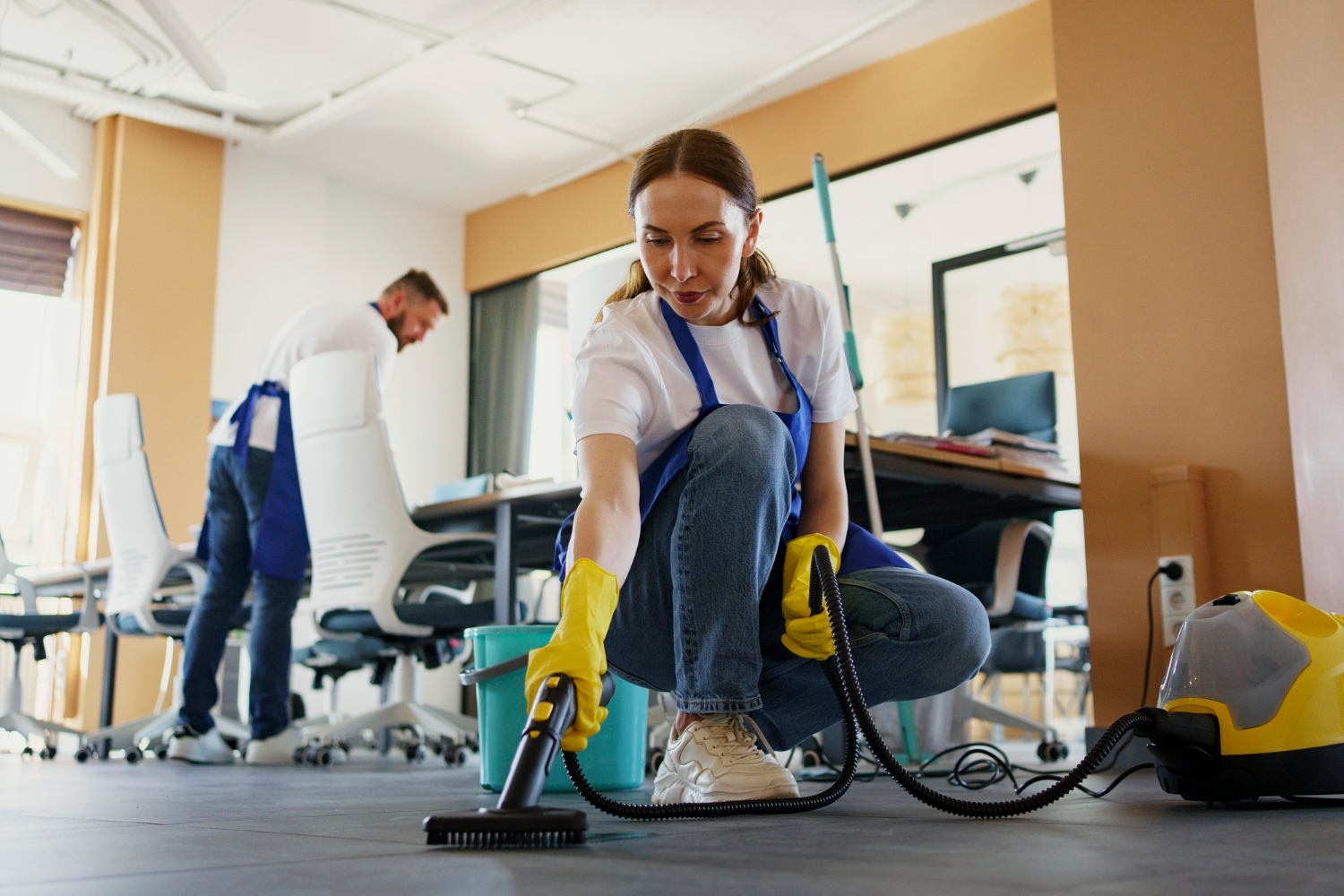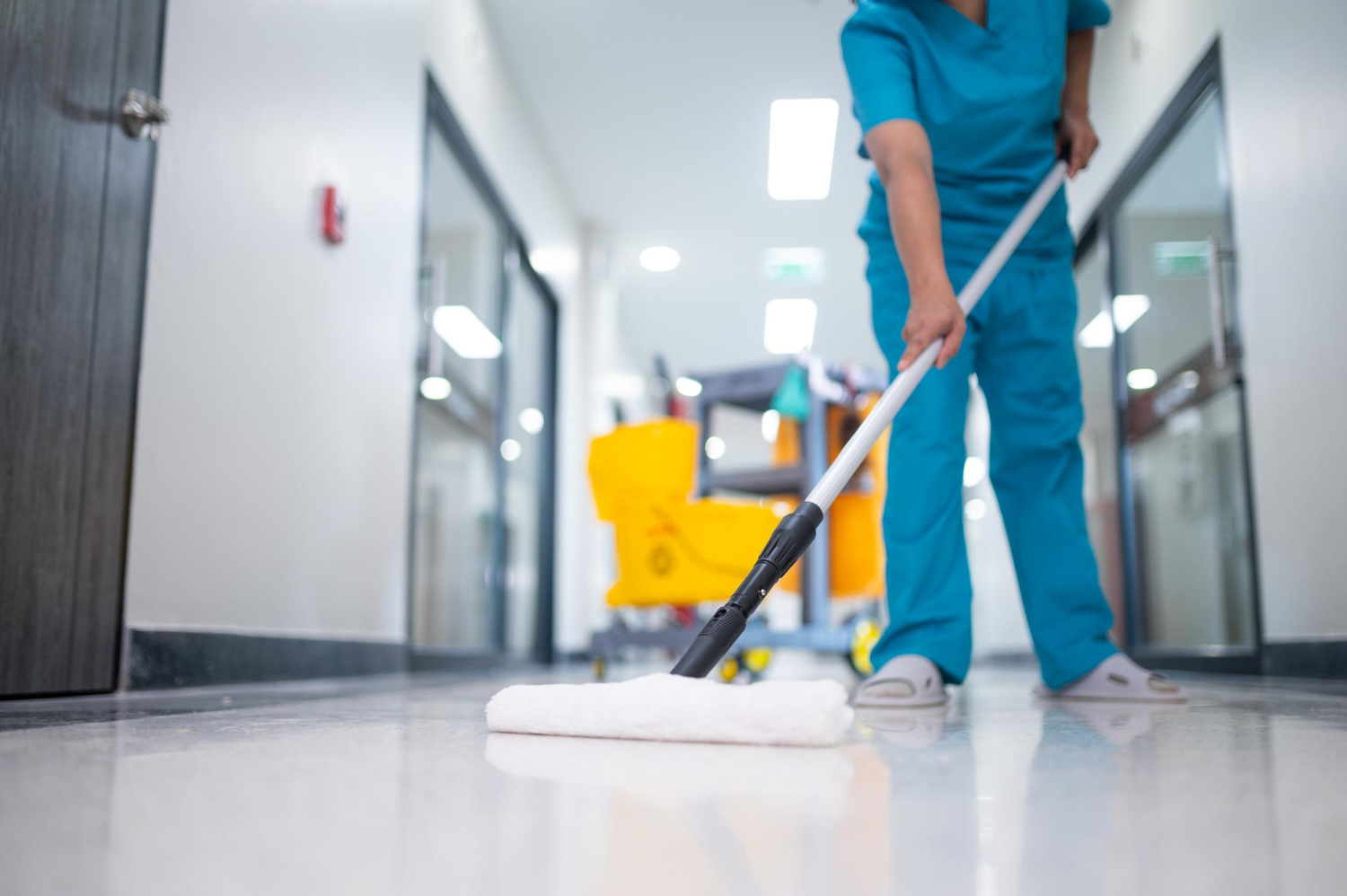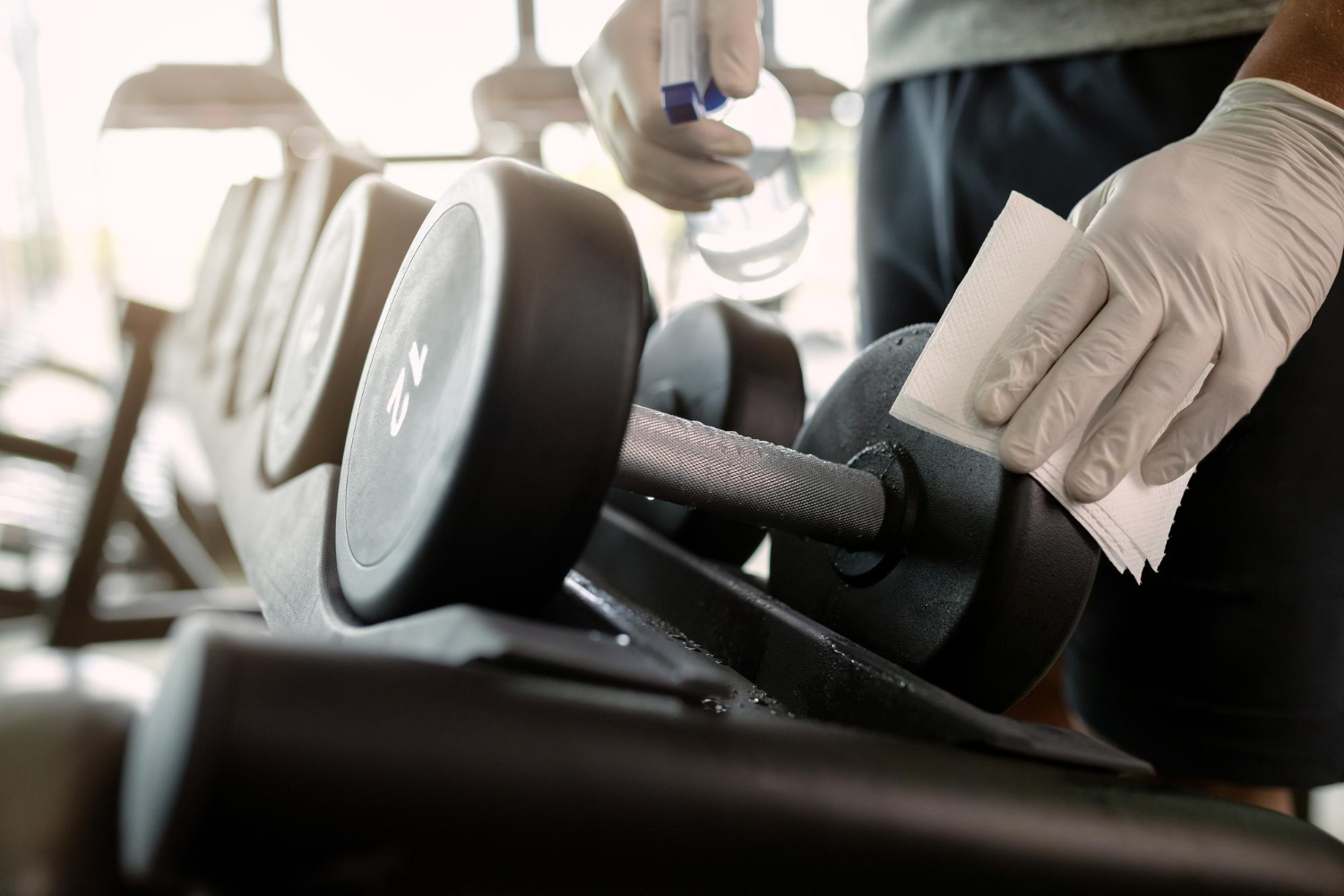
A clean gym is part of the member experience, from the first swipe at reception to the last shower after training. Gym sanitisation services help you keep shared spaces hygienic, presentable and ready for regular use, even when traffic is high.
For gym owners, facility managers and multi-site operators, the right plan goes beyond an after-hours tidy-up. It should account for the equipment, amenities and busy periods that shape how your members use the space every day.
Give Members a Cleaner, Safer Place to Train
Gyms bring together plenty of high-contact surfaces in one place. Members share weights, benches, mats, machine touchscreens, lockers and washroom facilities, while changing rooms and studios can become warm and humid. During spring and the lead-up to summer, new memberships and fuller group classes can add further pressure to everyday hygiene routines.
Visible cleanliness matters, but it is not the whole picture. A polished floor or neatly arranged reception desk may look inviting, yet high-touch surfaces, washrooms and shared amenities still need planned sanitisation processes. Consistency is what helps maintain a space members feel comfortable using.
At White Spot Group New Zealand, we approach commercial cleaning as part of wider facility performance. Our trained teams, quality controls, safe product selection and consistent service delivery support workplaces and facilities where hygiene, compliance and safety matter. Documented processes, site checks and completion records help maintain clear expectations across the sites we service.
What Gym Sanitisation Services Should Cover
Gym sanitisation services are planned cleaning and hygiene measures designed around the areas people touch, share and use most often. The scope should suit your facility’s layout, operating hours, member numbers and services. A small studio with a limited timetable will need a different approach from a large gym with round-the-clock access, multiple changing rooms and group fitness spaces.
The core cleaning plan should cover both public-facing areas and behind-the-scenes rooms. Common priorities include:
- Strength and cardio equipment, machine controls, free weights, benches and mats
- Door handles, access points, reception counters and drinking fountains
- Lockers, showers, toilets, basins and changing room surfaces
- Staff rooms, offices, storage spaces and waste areas
- Group studios, recovery rooms, pools or aquatic areas where applicable
A professional scope of work can combine daily cleaning with high-touchpoint sanitisation during operating hours, scheduled deep cleaning, washroom servicing and consumable replenishment. Periodic floor care may also be needed to keep hard floors safe and presentable.
For operators managing several locations across New Zealand, clear checklists and documented completion records are especially useful. They make it easier for us to confirm tasks, identify recurring issues and maintain a consistent standard from one site to the next.
How Gym Sanitisation Services Reduce Health and Safety Risks
Shared equipment is one of the main hygiene pressure points in a fitness facility. So are humid changing rooms, shower spaces, entry gates and other access points touched throughout the day. A structured sanitisation programme helps us focus attention on these areas rather than relying on general cleaning alone.
Hygiene also affects how members, staff, contractors and visitors experience your facility. When surfaces, washrooms and equipment zones are cared for consistently, you are better placed to maintain a safe premises and respond clearly when someone raises a concern about cleanliness. Good presentation supports confidence, but the process behind it matters just as much.
Under New Zealand’s Health and Safety at Work Act 2015, gym operators and cleaning contractors have duties to identify and manage risks associated with cleaning work. These can include wet floors, chemical exposure, manual handling and safe access around equipment. Cleaning chemicals need to suit the materials being cleaned, whether that is upholstery, rubber flooring, metal equipment, glass or wet-area surfaces. Our teams follow appropriate dilution procedures, storage requirements and health and safety documentation, including safety data sheets and product labelling, helping prevent damage to equipment while supporting safe cleaning practices. Documented quality processes and site records add another layer of accountability when you engage a commercial cleaning provider.
Build a Schedule Around Peak Gym Usage
The best cleaning schedule follows how your members actually use the gym. Early mornings, lunchtime sessions and after-work periods often create the most activity, while seasonal membership growth can increase demand on changing rooms, studios and equipment zones. Cleaning plans should respond to those patterns rather than operating on a fixed schedule that ignores busy times.
We recommend a layered approach, with different tasks completed at the right intervals:
- Daily cleaning for floors, bins, washrooms and general presentation
- Daytime sanitisation of high-touch equipment and common touchpoints
- Regular servicing of washrooms and replenishment of key consumables
- Weekly or monthly deep cleaning for showers, grout, lockers, vents and upholstery
- Planned floor care and cleaning around difficult-to-reach equipment areas
Flexibility matters for 24-hour gyms, boutique studios, aquatic centres and larger recreation facilities. Our cleaning teams can work around class timetables, member access requirements and site security procedures, helping minimise disruption while maintaining reliable hygiene outcomes.
Choosing Gym Sanitisation Services in New Zealand
When choosing a provider, look for experience in high-traffic commercial environments. Fitness facilities have unique challenges, including safe cleaning around members, equipment and wet areas, along with the need to manage cleaning chemicals and maintain clear records. A provider with experience in recreation, healthcare, education or other busy sites will understand the importance of trained personnel, sound health and safety systems, supervision and regular quality checks.
Before appointing a cleaning partner, we suggest asking practical questions about how the service will operate. For example, you may want to understand how quality is audited, how missed tasks are reported, whether the team can scale during busy periods and how cleaning products are selected for different surfaces. It is also worth confirming how the provider manages obligations under the Health and Safety at Work Act 2015, including chemical safety documentation, incident reporting and coordination with site management. If you operate multiple sites, it is also worth confirming whether the provider can deliver consistent service across your locations.
Integrated facility services can make daily management simpler. Alongside gym sanitisation services, you may need washroom hygiene support, consumable supply, floor maintenance, waste management, window cleaning or help with unexpected facility needs. Bringing these services together can reduce supplier overlap and help create a more consistent experience for members.
Create a Hygiene Plan Members Can Trust
Before the summer fitness period becomes busy, it is worth reviewing your current cleaning scope. Look closely at high-traffic areas, peak usage times, member feedback and recurring concerns in changing rooms, washrooms or equipment zones. A clear plan should show who is responsible for each task, when it is completed and how the result is checked.
Reliable sanitisation protects the presentation of your equipment and amenities while helping maintain safer spaces throughout the year. When cleaning routines match the way your facility operates, members can focus on training in an environment that feels cared for.
Tailored Hygiene Support for Your Gym
White Spot Group New Zealand provides gym sanitisation services designed around your equipment, traffic patterns and operating hours. Our team can help create a practical cleaning programme that supports consistent hygiene across your facility. Contact us to discuss your gym’s requirements.