When “Clean” Is Not Infection Control
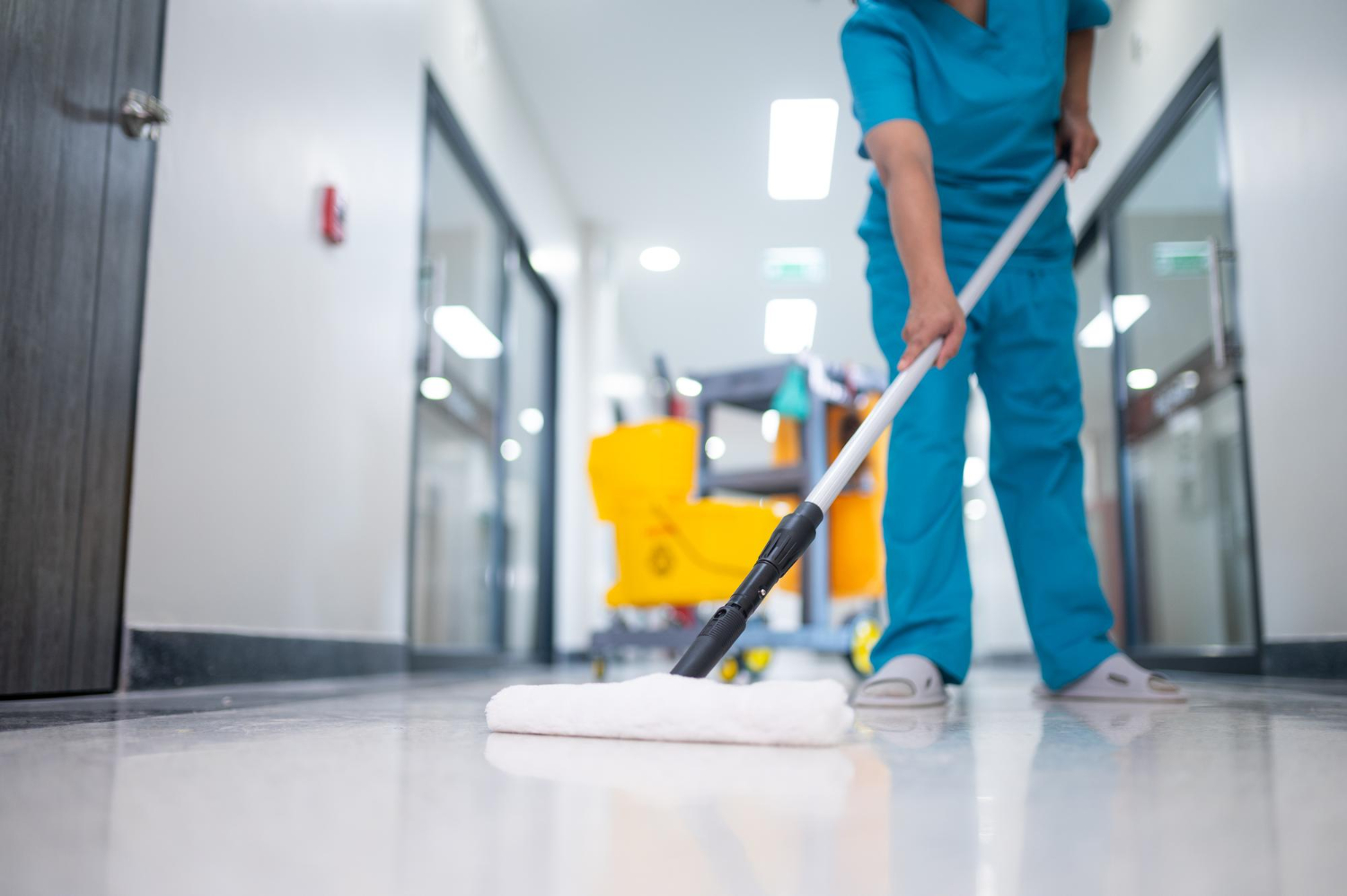
Standard cleaning and infection control cleaning are not the same thing. Many facilities only discover this when they pass a contract audit but fail an internal infection control review a week later. Floors shine, bins are empty, and bathrooms look fine, yet ATP tests or swabs tell a different story.
We see this often in mixed commercial sites such as corporate offices combined with training and clinical assessment facilities. The contract scope is written like an office, but the risk profile looks much more like healthcare. That gap raises a hard question for any facility manager: in a multi-use commercial site, who actually owns infection control, and would your current cleaning stand up to an outbreak review, a regulator, or a union HSR?
The Hidden Complexity of Multi-Use Commercial Facilities
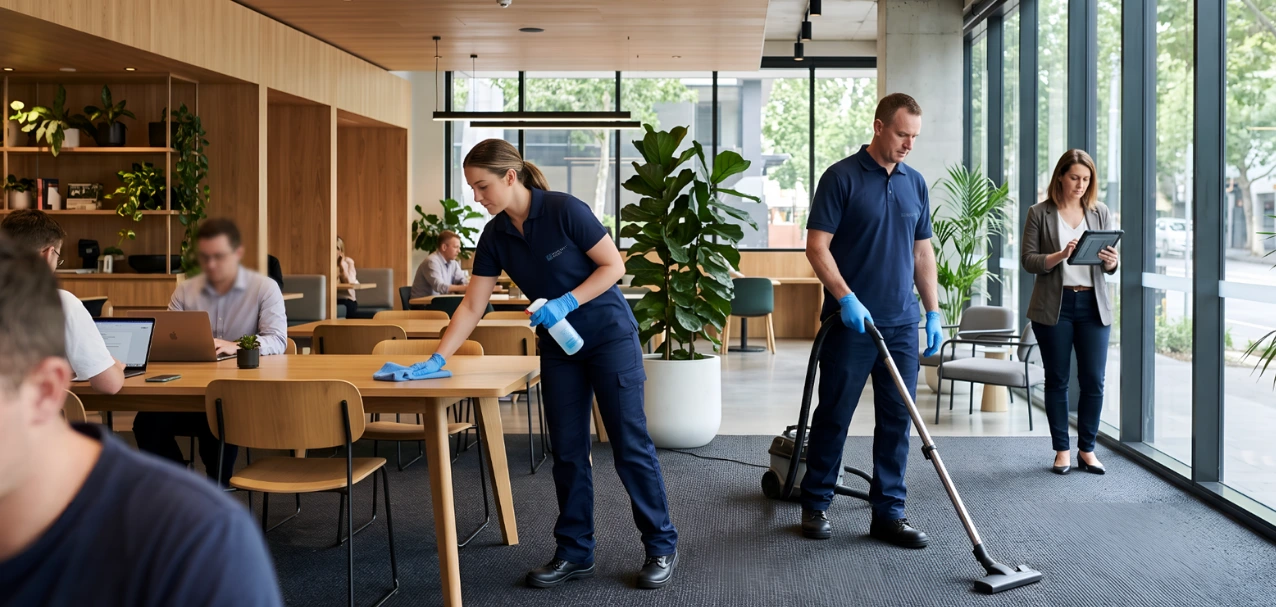
Multi-use commercial facilities stack very different risks on top of each other. On a single floor you might have clinical consult rooms next to open-plan workstations, staff amenities beside client waiting areas, and food-prep for a café sharing a corridor with training rooms or assessment spaces.
Those layouts pull in different regulators and frameworks at the same time. You can be juggling:
• Health and safety duties under the Health and Safety at Work Act 2015 and Te Whatu Ora — Health New Zealand healthcare associated infection (HAI) guidance
• Food safety requirements in cafés or retail tenancies (for example, the Food Act 2014 and the Australia New Zealand Food Standards Code)
• ISO 45001 and ISO 9001 requirements for safety and quality-system requirements
Day-to-day, the pain points are practical, not theoretical. Shared bathrooms used by clinical staff, office workers and the public. Shift overlaps where different contractors are on site but no one is clear who cleans what. Visitors walking past sign-in desks straight into staff areas. Confusion about who signs off task analyses for infection control tasks when zones cross landlord and tenant lines.
Infection Control Cleaning Is Not Just More Cleaning
Infection control cleaning is not about doubling the hours or adding a weekly deep clean. It is about cleaning differently, based on risk. That starts with zoning, assigning each area a risk level and setting specific methods and frequencies for each zone.
In operational terms, an infection control cleaning programme should include:
• Defined zones with clear risk ratings (for example, high, medium, low risk)
• Documented tasks and frequencies per zone that match those ratings
• Validated disinfectants that align with relevant AS/NZS standards and Te Whatu Ora — Health New Zealand guidance, with clear references to product approvals
• Clear dwell times written into SOPs and task analyses, not just a generic spray-and-wipe instruction
Compare this with a typical office scope that lists desks, bins, kitchens and bathrooms with generic high-touch points. That kind of wording does not reflect healthcare-style guidance, the expectations in clinical assessment areas, or the site’s outbreak plan. It also feeds common myths, such as:
• Fogging solves everything, regardless of layout and ventilation
• Stronger chlorine is always better, even if it damages surfaces and equipment
• Deep cleans only matter after a confirmed case, rather than being planned around predictable illness seasons
Where Infection Control Breaks Down in Shared Spaces
Most failures in infection control cleaning show up in the shared parts of a commercial building, not in the obvious clinical rooms. We regularly see risk concentrated in:
• Shared lifts and lobbies used by both clinical tenants and corporate floors
• Mixed-use bathrooms that serve staff, clients and public visitors
• End-of-trip facilities used by healthcare workers, office workers and external contractors
When zoning is vague and access rules are loose, cross-contamination is almost guaranteed, especially during peak respiratory and gastro periods. Signage might say staff only, but security lets people through to help. Clinical equipment moves from room to room, then sits on desks in low-risk admin areas waiting to be cleaned.
There is also a clear gap between written procedures and what actually happens. Product runs out and cleaners substitute something else for it without updating task analyses or telling the facility manager. Out-of-hours security unlocks areas that were meant to stay closed, so cleaning runs but the risk assumptions in your task analyses are now wrong. These are not bad people. They are normal staff trying to get the job done inside a system that has not been designed for real infection control.
Making Infection Control Cleaning Measurable
If your only verification method is, “Does it look clean?”, you have no real infection control assurance. Infection risk is invisible, which means you need ways to measure performance beyond a walkthrough.
Practical Tools Can Include:
• ATP testing for spot checks on key touchpoints such as door handles, workstation controls and handrails
• Targeted microbiological sampling planned with infection control leads or health and safety advisors
• Structured audits that align with ISO 9001-style quality processes and internal audit schedules
To build a measurable programme, a facility manager can:
• Map zones and assign risk ratings, including shared spaces
• Align tasks, frequencies and methods to those zones in a written scope
• Specify exact products and dwell times in task analyses and SOPs, with product codes and SDS links
• Train cleaners and site staff, and keep signed training records and competency checks
When inspectors or internal auditors ask for evidence, they usually mean:
• Dated training records for cleaners and supervisors
• Product SDS, and for relevant items, efficacy and approval documentation for hospital-grade disinfectants
• Documented outbreak and escalation plans that tie into your emergency management or business continuity framework
• Contractor performance reports tied to clear KPIs such as ATP pass rates, audit scores and close-out times for corrective actions
Working With Contractors Who Understand High-Risk Commercial Sites
The right contractor in a multi-use commercial facility is not just the one who can staff the site. You need a provider that understands infection risk across healthcare, industrial, education and office environments, and can operate across New Zealand under consistent systems.
Useful Questions to Ask Your Current or Future Provider Include:
• What experience do you have in healthcare or other high-risk commercial sites, and can you provide site references?
• Which ISO certifications do you hold, and how are they applied in your site procedures and audits?
• How do you manage higher-risk clinical or assessment spaces within a broader commercial contract?
• What is your incident and outbreak response capability across multiple locations, and how is it resourced?
Integrated facility services make coordination easier in complex commercial sites. When cleaning, hygiene services, grounds and minor maintenance are aligned under one programme, blind spots between trades are reduced. For example, waste handling, consumable restocking and minor repairs can all be planned around infection control risk, not just convenience. Contracts are more robust when they avoid race-to-the-bottom pricing, allow for seasonal surges, and include a requirement for regular review of scopes that were written before the COVID-era raised expectations.
Turning Your Facility Into a Proof-Backed Case Study
The safest time to test your infection control assumptions is before peak illness hits, not during an outbreak. For many commercial facilities, the autumn and winter period is an ideal time to stress test the cleaning regime in real life while you still have space to adjust.
A simple starting action list is:
• Map your current risk zones, including all shared spaces
• Compare actual site use with the existing contract scope
• Identify where staff, visitors and contractors cross from clean to contaminated zones
• Sit down with your contractor and rewrite tasks, task analyses, KPIs and audit tools around infection risk, not just appearance
At White Spot Group, our teams work in high-risk and multi-site commercial environments across healthcare, education, industrial, government and corporate portfolios. The focus is on integrated cleaning and facility services delivered under a management system built to ISO 9001, ISO 14001 and ISO 45001, so controls will stand up to regulator scrutiny and real-world outbreaks in complex, multi-use facilities, because we have seen what happens on the ground when those controls are missing.
Protect Your Workplace With Expert Infection Control Today
Safeguard your staff and visitors with our specialised infection control cleaning tailored to your facility’s risks and requirements. At White Spot Group, we use hospital-grade products and proven methods to help reduce the spread of harmful pathogens and support your compliance obligations. If you are ready to improve hygiene standards and confidence across your site, get in touch with our team via contact us to arrange a tailored quote or site assessment.