Importance of cleanliness in the workplace
Cleanliness in the workplace is crucial for several reasons.
Firstly, clean and hygiene working environment promotes the health and well-being of employees, eliminating risk and hazard, reducing the likelihood of sickness and absenteeism.
Secondly, a tidy and organised workspace can lead to increased productivity and efficiency, as employees can focus on their tasks.
Thirdly, a clean workplace also creates a positive impression on visitors and clients, reflecting a sense of professionalism and creating a positive experience.
Overall, maintaining cleanliness in the workplace is essential for creating a safe, healthy, and productive environment for employees and guests.
- Different types of cleaning
- Key Differences Between General Cleaning and Deep Cleaning
- When to Use General Cleaning vs Deep Cleaning
Different types of cleaning
General cleaning involves the regular maintenance of common areas such as offices, bathrooms, and kitchen areas. This typically includes tasks such as mopping, vacuuming, dusting, and emptying waste bins. Deep cleaning, on the other hand, goes beyond the regular maintenance and involves a more thorough and intensive cleaning of all areas of the workplace, including hard-to-reach places and neglected areas. Impact cleaning focuses on enhancing the appearance and cleanliness of the workplace through targeted and specialised cleaning techniques. This type of cleaning aims to make a significant and noticeable difference in the overall cleanliness and hygiene of the workspace, often involving the use of specialised equipment and techniques. Each type of cleaning is essential for maintaining a clean and healthy work environment.
General Cleaning
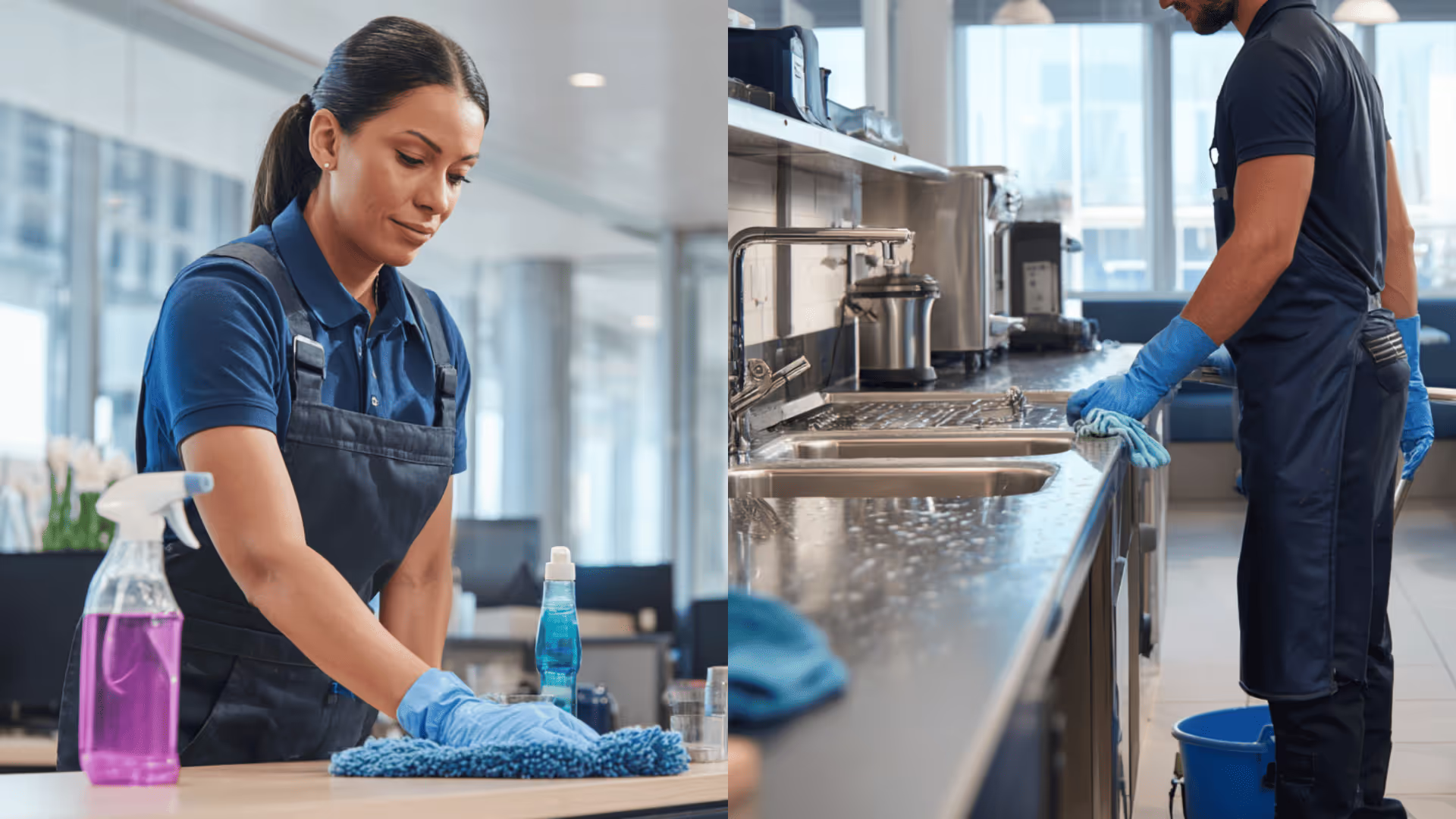
General cleaning is essential for maintaining a healthy and productive environment. Regular cleaning of workspaces, common areas, and high-touch surfaces helps prevent the spread of germs, viruses, and bacteria. It also creates a positive impression on clients and visitors. A clean workplace can boost employee morale and productivity by reducing the risk of illness and promoting a more pleasant atmosphere. From dusting and vacuuming to disinfecting surfaces and emptying waste bins, every aspect of workplace cleaning plays a crucial role in maintaining a clean and safe environment. By implementing a comprehensive cleaning plan and providing the necessary tools and supplies, workplaces can ensure the well-being of their employees and create a welcoming atmosphere for anyone who enters the space.
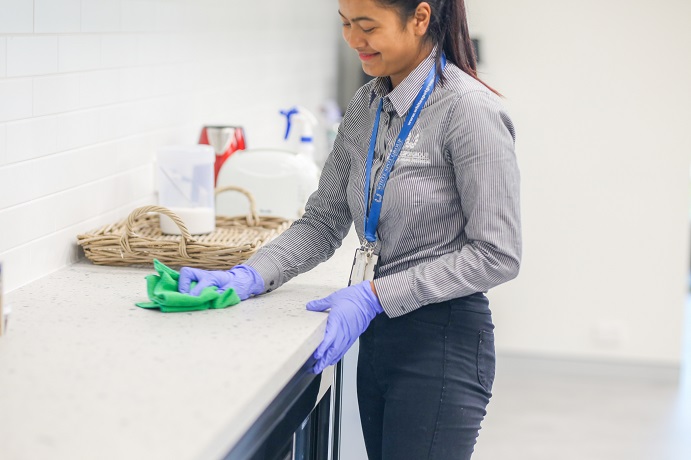
Examples of tasks included in general workplace cleaning
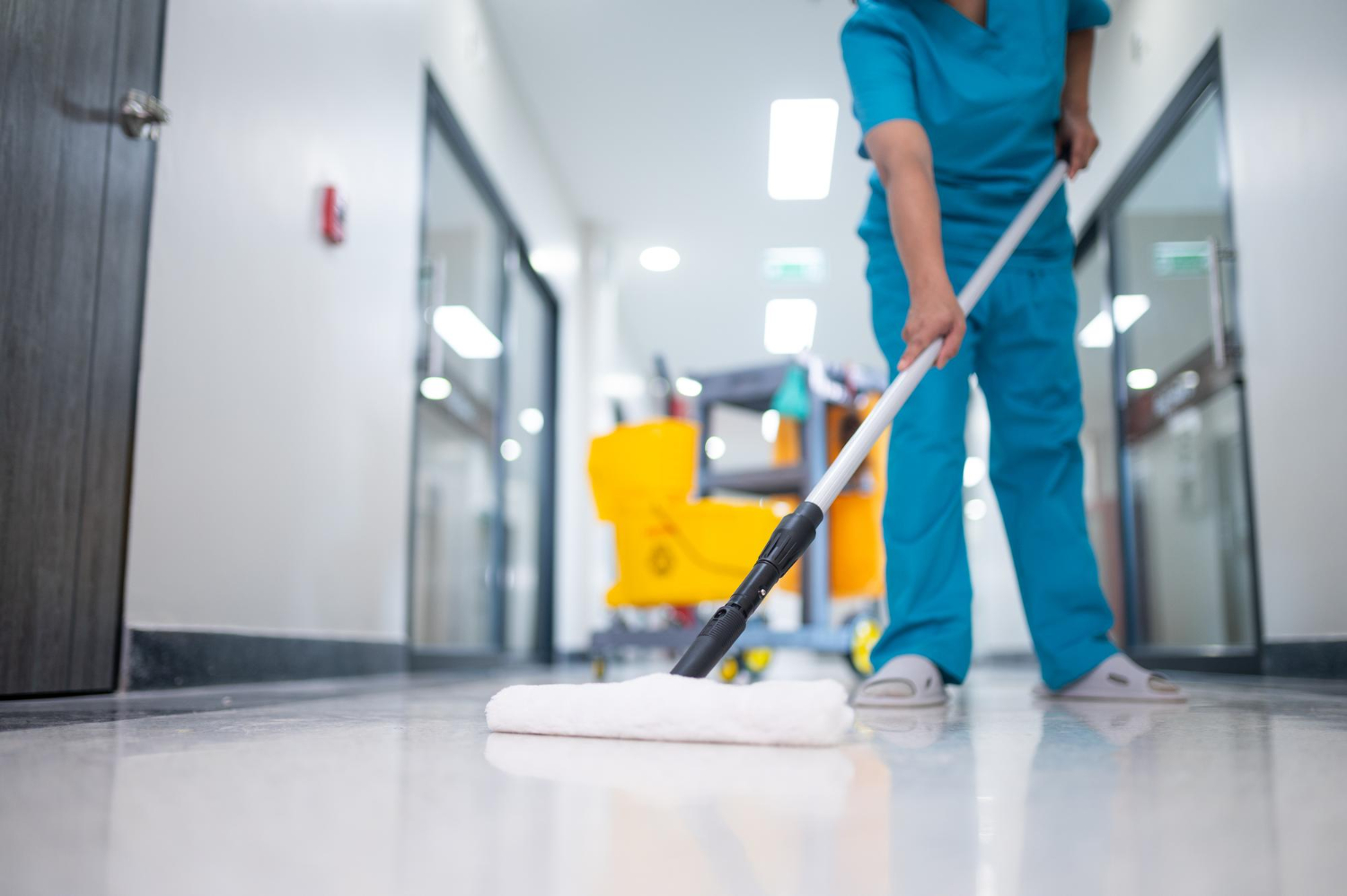
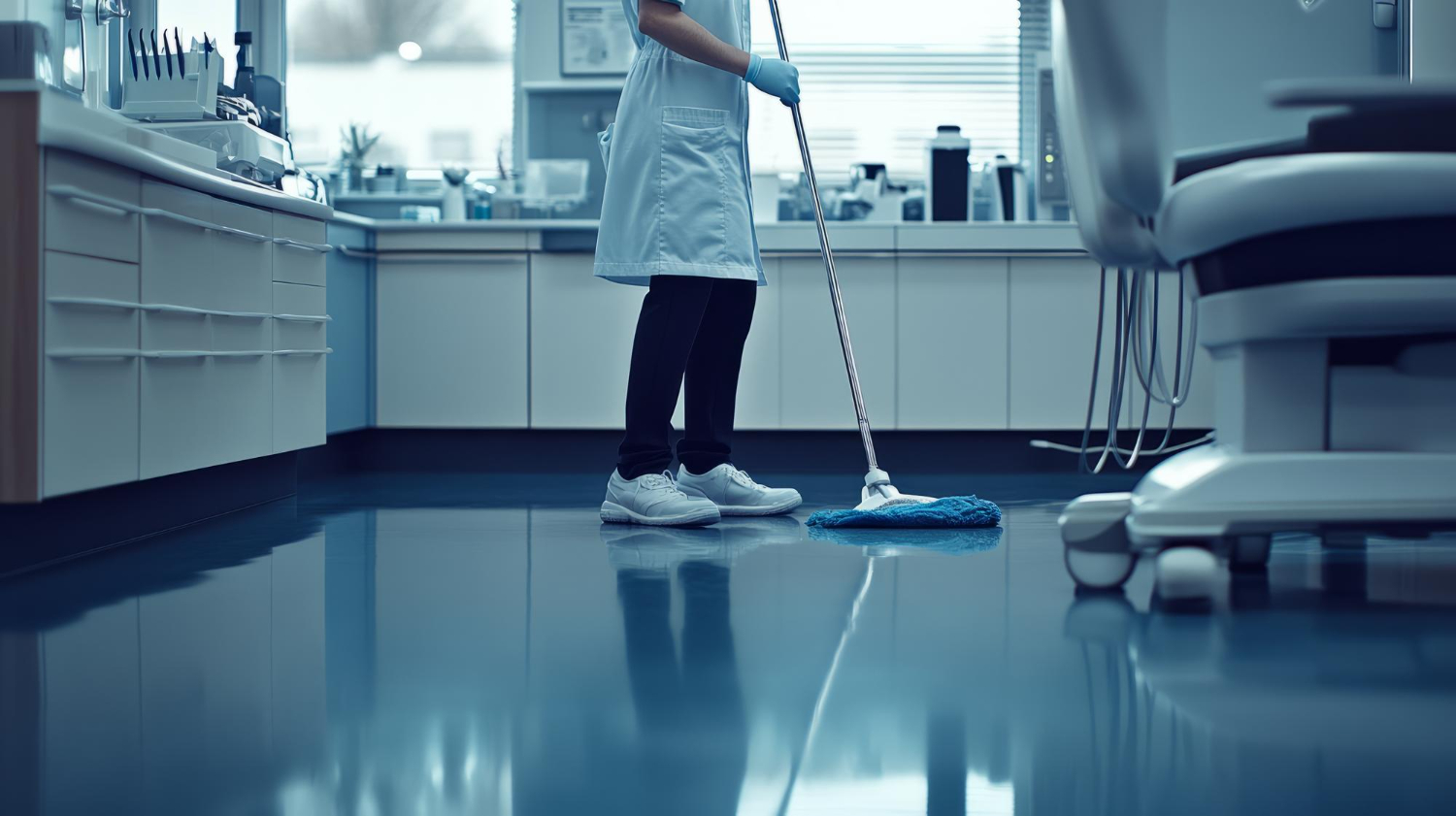
General workplace cleaning tasks may include vacuuming and mopping floors, dusting surfaces, cleaning and sanitising bathrooms, emptying waste bins, and wiping down windows and glass doors. These tasks are essential for maintaining a clean, safe, and organised work environment for employees and visitors. In addition, cleaning and stocking supplies and consumables in break rooms and common areas, disinfecting high-touch surfaces such as doorknobs and light switches, and removing any clutter or debris are also typical tasks included in general workplace cleaning. Periodic deep cleaning of carpets, upholstery, and hard-to-reach areas, as well as maintaining cleanliness in specialised workspaces such as industrial kitchens or laboratories, may also be part of the overall cleaning responsibilities in a workplace.
Benefits of regular general workplace cleaning
Regular general workplace cleaning provides numerous benefits for both employees and employers. Firstly, a clean and organised work environment contributes to the overall well-being of employees, leading to increased productivity and morale. It also helps in reducing the spread of germs and illnesses, resulting in decreased absenteeism and healthcare costs. Additionally, a clean workspace creates a positive impression on clients and visitors, enhancing the company's professional image. Regular cleaning also prolongs the lifespan of office equipment and prevents the accumulation of clutter, which in turn improves safety and minimises the risk of accidents. Overall, investing in regular workplace cleaning not only fosters a healthy and pleasant work environment, but also contributes to the overall success and efficiency of the business.
Deep Cleaning
Deep workplace cleaning involves a comprehensive and thorough cleaning of all areas within a workplace, including those that are often overlooked during regular cleaning routines. This may include cleaning of high surfaces, behind and under furniture, and inside appliances. Deep cleaning also includes sanitising and disinfecting high-touch surfaces, such as doorknobs, light switches, and shared equipment. The goal of deep workplace cleaning is to create a healthier and more hygienic environment for employees, reducing the spread of germs and improving overall workplace cleanliness.
Examples of tasks included in deep cleaning
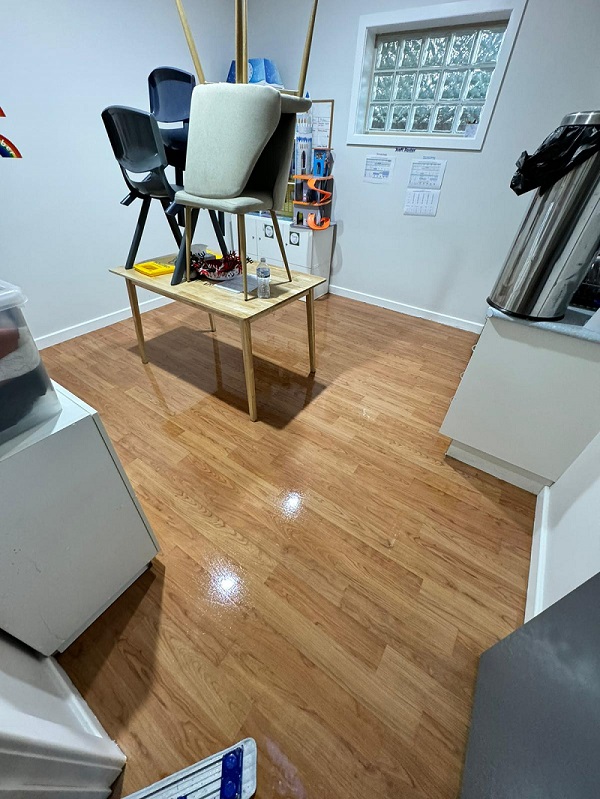
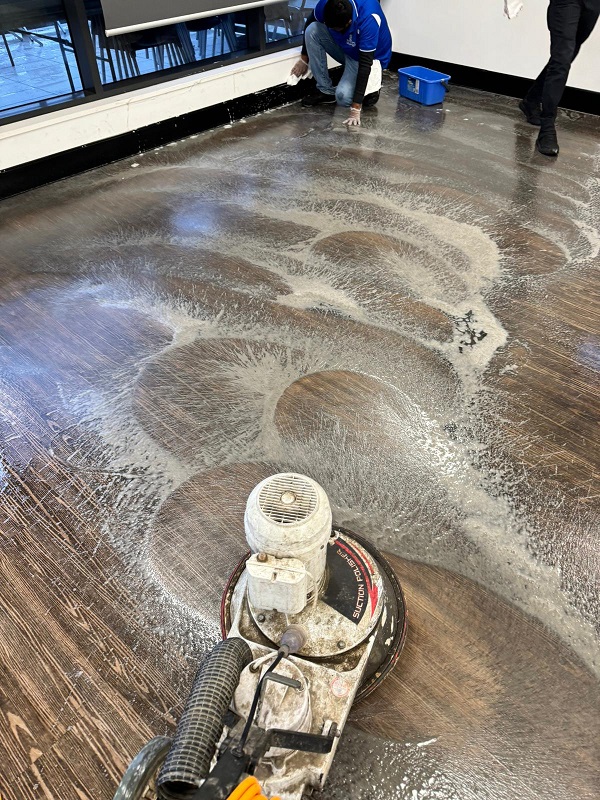
Deep workplace cleaning includes a variety of tasks aimed at thoroughly cleaning and sanitising the entire work environment. Examples of tasks included in deep workplace cleaning may consist of cleaning and disinfecting all surfaces, including desks, tables, and countertops. It may also involve carpet steam cleaning, hard floor scrubbing, floor strip and seal cleaning, commercial kitchen rangehood cleaning, warehouse high pressure cleaning, bathroom deep cleaning, high window cleaning, internal and external window cleaning as well as sanitising high-touch areas such as door handles, light switches, and shared equipment. Additionally, deep cleaning may entail the cleaning of restrooms, break rooms, and kitchen areas to ensure a hygienic work environment for employees. Other tasks could include dusting and wiping down all surfaces, cleaning windows, and removing any buildup of dirt and grime from hard-to-reach areas. Overall, deep workplace cleaning aims to create a clean and healthy workspace for all employees.
Benefits of deep cleaning for the workplace
Deep cleaning for the workplace offers numerous benefits.
Firstly, it creates a joyful working environment, and bring the workplace/business place back to shine condition.
Secondly, for long run, it reduces maintenance cost and capital expenditure. From TOYOTA business research, regular maintain property/asset will improve life span of 20% in average. This will see significant reduction in renovation cost and bring financial benefit.
Thirdly, provide healthier environment for employees and visitors by removing dust, dirt, and germs that can cause illness. A clean workplace also enhances productivity and morale as a tidy environment reduces stress and promotes a more organised and efficient workflow.
Fourthly, by providing sparkling working environment, employee will enjoy more work from office, further improve team bonding.
Additionally, a clean and well-maintained workplace reflects positively on the company's image, making a good impression on clients and visitors. Ultimately, investing in deep cleaning for the workplace is a smart decision that can lead to a more pleasant, healthy, and successful work environment.
Key Differences Between General Cleaning and Deep Cleaning
General cleaning focuses on regular, day-to-day tasks such as vacuuming, dusting, and emptying rubbish bins. This type of cleaning is typically done on a consistent schedule to maintain a basic level of cleanliness and hygiene.
On the other hand, deep cleaning involves a more thorough and comprehensive approach. It includes cleaning and disinfecting high-touch surfaces, sanitising bathrooms, and deep cleaning carpets and hard-to-reach areas. Deep cleaning is usually conducted less frequently, such as quarterly or semi-annually, to address more intensive cleaning needs.
While general workplace cleaning is important for maintaining a tidy and presentable environment, deep workplace cleaning is essential for preventing the spread of germs and maintaining a truly healthy workplace.
Level of thoroughness
The level of thoroughness between general workplace cleaning and deep workplace cleaning varies greatly. General workplace cleaning typically involves the regular maintenance and tidying of the workspace, focusing on surface-level cleaning such as dusting, vacuuming, and emptying rubbish bins. On the other hand, deep workplace cleaning delves into more detailed and comprehensive cleaning tasks, which may include steam cleaning carpets, scrubbing hard-to-reach areas, and sanitising high-touch surfaces. The deep cleaning process aims to remove deeply embedded dirt, grime, and bacteria, ultimately creating a healthier and more hygienic work environment. While general workplace cleaning is important for day-to-day maintenance, deep workplace cleaning is crucial for ensuring a thoroughly clean and safe workspace for employees and visitors.
Impact on workplace cleanliness and hygiene
General cleaning and deep cleaning both play a crucial role in maintaining workplace cleanliness and hygiene. While general cleaning involves regular maintenance tasks such as dusting, vacuuming, and surface disinfection, deep cleaning goes a step further by targeting areas that are often overlooked, such as under furniture, behind appliances, and inside machinery. Deep cleaning also involves sanitising and disinfecting surfaces to eliminate bacteria and viruses. The impact of both types of cleaning on workplace cleanliness is significant, as they help remove dirt, dust, and germs that can accumulate over time and contribute to a healthier and safer work environment. By implementing both general cleaning and deep cleaning practices, companies can ensure that their employees are working in a clean and germ-free space, ultimately promoting better productivity and overall wellbeing.
When to Use General Cleaning vs Deep Cleaning
When deciding between general cleaning and deep cleaning for workplace cleaning, it's important to consider the level of cleanliness required and the frequency of the cleaning. General cleaning, such as dusting, vacuuming, and surface wiping, is suitable for regular maintenance to keep the workplace presentable and free from light dirt and grime. Deep cleaning, on the other hand, involves more intensive cleaning tasks like scrubbing, sanitising, and detail cleaning of hard-to-reach areas. This is typically done on a less frequent basis, such as quarterly or semi-annually, to maintain a high level of cleanliness and hygiene. Ultimately, the choice between general cleaning and deep cleaning depends on the specific cleaning needs of the workplace and the desired level of cleanliness.