What Smart Facility Managers Do in March, and Why 31 March Is the Most Important Deadline on the Facilities Calendar
Introduction
Every year, 31 March comes around and facility managers across New Zealand find themselves in one of two positions. Either they have spent the preceding weeks proactively reviewing their service contracts, locking in upgrades, and setting their buildings up for a strong new financial year, or they have not, and they are scrambling to justify their budget position, extend underperforming arrangements, or start the year with unresolved service gaps.
The difference between those two positions is not luck or resources. It is timing and intention.
The end of the financial year is not just a tax event. For anyone responsible for managing a commercial building, body corporate complex, industrial site, or public-facing facility, March is the most powerful procurement and planning window of the year. Budget pressure, contract renewal cycles, compliance reviews, and new financial year strategy all converge in the same four-week period, and the organisations that use this window deliberately come out of it in a stronger position.
At White Spot Group, we work with facility managers across New Zealand year-round, but March is when we see the clearest difference between sites that are managed well and sites that are managed reactively. Here is what the well-managed ones do in March, and why it matters for your building going into FY2027.
Why March Is the Most Important Month for Facility Decision-Makers
1. Use-It-or-Lose-It Budget Pressure
Most organisations carry unspent budget in their facilities line items heading into March. Cleaning, maintenance, restoration, and hygiene services are a natural category for that spend, and March is when the decision to deploy it or lose it arrives. One-off services like deep cleans, carpet and hard floor restoration, high-pressure washing of external areas, and periodic disinfection programmes are ideal investments for end-of-year budget allocation. They improve your building's condition, generate documented records of maintenance activity, and set the facility up well for the new year.
End of Financial Year Tip: One-off WSG services, including deep cleans, floor restoration and high-pressure exteriors, are ideal use-it-or-lose-it spend before 31 March. These services can typically be scoped, booked, and delivered within the current financial year if arranged by mid-March.
2. Contract Renewal and Review Season
A significant number of commercial cleaning and facility services contracts are structured on financial year cycles, which means March is when renewal decisions are made. This is the moment to ask honestly: Is the current arrangement delivering the standard your facility needs? Are you getting documented performance reporting? Does your provider hold the certifications and registrations your procurement requirements demand?
If the honest answer is no, March is the right time to act, not April, when a new year has already started with the same underperforming provider.
3. Compliance Review Cycles Align With the Financial Year
Many organisations run their internal health and safety and facility compliance reviews on a financial year calendar. For facility managers, this is the moment to ensure that cleaning and facility service records are complete, auditable, and aligned with any sector-specific obligations, whether that is health and disability services standards for healthcare environments, the ECE licensing criteria for early learning services, or the obligations that body corporates carry for common property under the Unit Titles Act 2010.
A cleaning provider that cannot produce documented service records, task analyses, and ISO-verified quality management evidence is creating a compliance gap in your programme, regardless of how clean the floors look.
4. New Financial Year Planning Starts Now
The service arrangements you put in place in March shape the standard of your facility for the next twelve months. A new provider onboarded in late March can have their team inducted, their scope of works agreed, and their first reporting cycle underway before the new financial year even begins. Starting FY2027 with a clean building, a documented service programme, and a provider you trust is a very different position to entering the new year mid-transition.
The March Mindset: The best facility managers treat March not as a deadline to survive, but as a planning window to use. The end of the financial year is the most concentrated period of leverage you have all year, over your budget, your contracts, and your building's standard going forward.
What Inspection-Ready Actually Looks Like
One of the most common gaps we see in facility management programmes is the difference between a building that looks clean and a building that is inspection-ready. They are not the same thing.
An inspection-ready facility has three things that a merely tidy building often does not:
Documented Service Records
Every cleaning visit, task, and observation is logged against an agreed scope of works. When a regulator, insurer, auditor, or senior stakeholder asks for evidence that the building has been maintained to standard, the records exist, timestamped, organised, and ready to produce. At White Spot Group, all service delivery is logged against a documented scope, with performance reporting available to our clients for exactly this purpose.
Verified Contractor Compliance
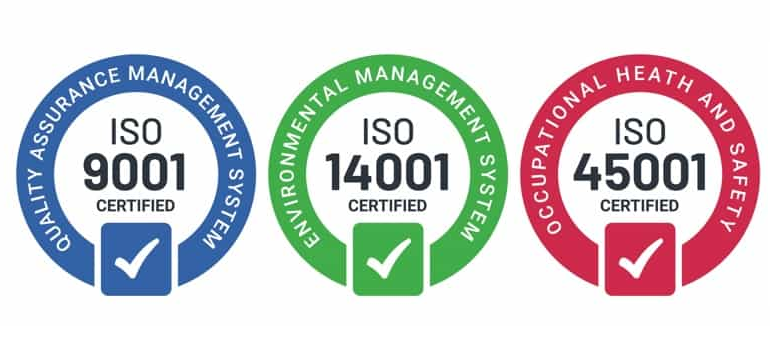
Your facility's health and safety obligations extend to every contractor operating within it, including cleaning teams. An inspection-ready facility manager can confirm that their cleaning provider holds current ISO certifications (9001, 14001, 45001), that their teams have completed site-specific health and safety inductions, that task analyses are current and available, and that the provider is registered with whichever contractor prequalification platform your organisation requires.
If you cannot answer these questions about your current provider today, that is a compliance gap worth addressing before the new financial year.
Sector-Appropriate Cleaning Standards
Different environments carry different obligations. An early learning centre that cannot demonstrate cleaning compliance with the ECE licensing criteria is exposed at a licensing visit or ERO review. A medical centre that cannot evidence terminal cleaning protocols and colour-coded equipment use is at risk under health and disability services standards. A body corporate building without documented common area maintenance records is exposed against its obligations for common property.
Inspection readiness is not generic. It is sector-specific, documented, and ongoing.
For Body Corporate Managers Specifically: Under the Unit Titles Act 2010, body corporates must maintain a long-term maintenance plan covering common property, including the upkeep and cleaning that keeps it in good order. If your current cleaning provider cannot contribute to that documentation, you are carrying risk that WSG can directly address.
The Cost of Staying With the Wrong Provider
The easiest path at the end of the financial year is to roll over the existing arrangement. And sometimes that is the right call, if your provider is delivering, documented, and compliant, continuity has real value.
But if they are not, the cost of inaction compounds across the new financial year:
None of these costs appear on the invoice from your current cleaning provider. But they are real, and they are avoidable.
Wage and Levy Update: New Zealand's minimum wage is reviewed each year, with any change taking effect on 1 April. Scheduled increases to employer KiwiSaver contributions also affect labour costs from the same date. Organisations with transparent, fixed-scope contracts are protected from surprise cost increases. Those on informal arrangements may find their cleaning costs increasing without notice.
What Transitioning to WSG Before 31 March Looks Like
Transitioning to a new cleaning and facility services provider feels like a significant undertaking, which is one reason many facility managers defer the decision. In practice, WSG's onboarding process is designed to make the transition straightforward, with minimal disruption to your building's operations.
Week 1–2: Scoping and Agreement
We conduct a site walkthrough, document your facility's specific requirements and compliance obligations, and develop a scope of works aligned to your building type and sector. Pricing is transparent and fixed against the documented scope, with no hidden variables.
Week 2–3: Team Induction and Setup
Your dedicated WSG team completes site-specific health and safety inductions, familiarises themselves with your building layout, stakeholder requirements, and any sector-specific protocols. Task analysis documentation is prepared and available to you from day one.
Week 3–4: Service Commencement and Reporting
Service delivery begins against the agreed scope. You receive access to performance reporting from the first visit. Any issues are escalated through your dedicated point of contact, not through a call centre.
Done before 31 March, your FY2027 starts with a clean building, a compliant provider, and a documented programme in place from day one.
Ready to Review Your Facility Services Before the End of the Financial Year? White Spot Group provides commercial cleaning and facility services across New Zealand, delivered under a quality, safety and environmental management system built to ISO 9001, ISO 14001 and ISO 45001. Get in touch for a no-obligation site assessment and quote, and let us help you start FY2027 on the front foot.
Frequently Asked Questions
Is the end of the financial year a good time to switch commercial cleaning providers?
Yes. The end of the financial year is one of the best times to transition cleaning providers. Financial year contract cycles mean renewal decisions are naturally due, budget allocation windows are open, and onboarding completed before 31 March means the new arrangement is fully operational from 1 April. This avoids the disruption of mid-year transitions.
What cleaning services can be booked as end of financial year spend?
One-off and periodic services are the most natural end of financial year spend category, including deep cleans, carpet and hard floor restoration, high-pressure external washing, post-construction cleans, and disinfection programmes. These services improve your facility's condition, generate maintenance records, and are easily scoped and delivered within a single financial year.
What compliance documents should a facility manager have from their cleaning provider?
Facility managers should be able to access: current ISO 9001, 14001, and 45001 certificates; task analyses for relevant cleaning activities; evidence of site-specific health and safety inductions for all cleaning personnel; contractor prequalification registrations; and performance reports documenting service delivery against the agreed scope.
What changes to cleaning costs should facility managers expect in FY2027?
From 1 April 2026, any increase from the annual minimum wage review takes effect, and scheduled increases to employer KiwiSaver contributions apply from the same date. Facility managers with transparent, fixed-scope contracts from providers like WSG will have cost certainty. Those on informal arrangements may face unbudgeted increases.