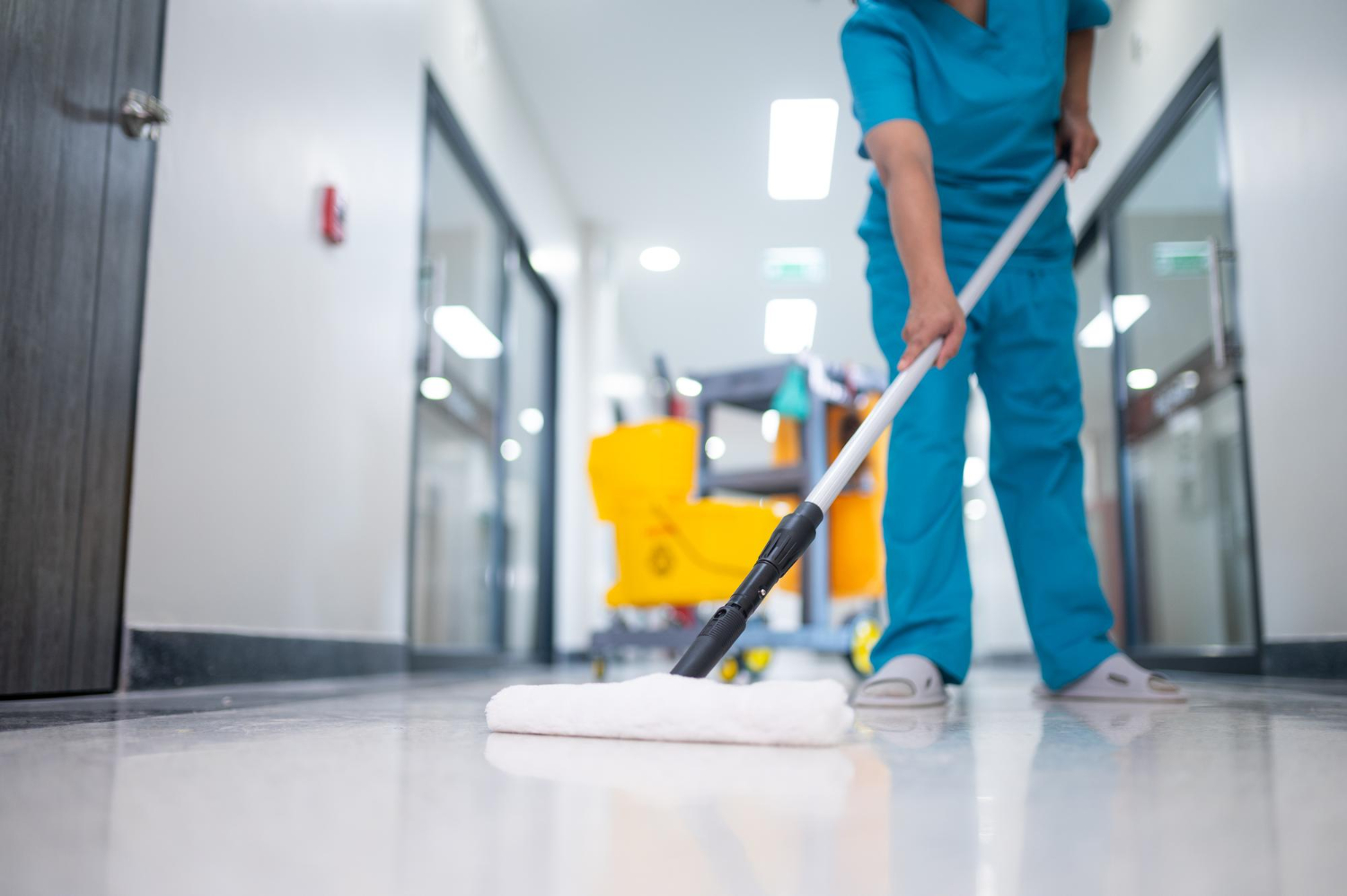
Good early learning centre cleaning is rarely the issue. The problem is proving it in a way that makes sense to Ministry of Education licensing assessors, ERO reviewers, educators, owners, and multi-site operators. Many licensed services invest heavily in hygiene, then see evidence fall short during an ERO review or a health inspection.
In this article, we step through how to turn the Education (Early Childhood Services) Regulations 2008 and the ECE licensing criteria into a clear, room-by-room cleaning scope of works with SLAs, KPIs, and audit evidence to match. The focus is on practical systems that facilities managers and persons responsible can implement across commercial early learning portfolios, especially as flu and gastro season ramps up between May and August when infection control and documentation are under pressure.
Turning Regulatory Burden Into Cleaning Clarity
The regulations and licensing criteria can feel like a wall of words when you are running multiple rooms, managing staff ratios, and closing out health and safety actions. Terms like "adequate", "effective" and "minimises risk of infection" are open to interpretation once you are on the floor managing spills between nappy changes, meal breaks, and parent questions.
A well-structured early learning centre cleaning scope of works acts as the translation layer for facility operations. It connects licensing requirements, your service philosophy and documented policies, and the actual daily tasks carried out by contract cleaners and educators.
The objective is operational clarity. Every requirement that touches cleaning, hygiene, or health and safety should reappear as a defined task with a method and frequency, a measurable SLA or KPI, and a record that can be produced for a Ministry of Education licensing assessor, an ERO reviewer, a public health officer, or a WorkSafe New Zealand inspector.
Mapping Licensing Requirements Into Cleaning Tasks
Cleaning intersects strongly with three areas of the ECE licensing criteria:
• Children’s health and safety, including hygiene and infection control
• Premises and facilities, including the physical environment
• Governance and management, including documented systems and internal evaluation
The health and safety criteria and Ministry of Health hygiene guidance refer to toileting, nappy change, food handling, and illness management. To make this operational at site level, each clause in your service policies should link to specific tasks. For example:
• "Minimises risk of infection" becomes "disinfect high-touch points in each room at least once per session, using a hospital-grade disinfectant approved for use in New Zealand, after a visible clean."
• "Safe and hygienic toileting" becomes "clean and disinfect toilet seats, flush buttons, door handles, taps, and nappy change mats after each use or change session, aligned with current Ministry of Health guidance on enteric infections."
• "Food preparation areas kept hygienic" becomes "two-step clean and disinfect of benches before and after each food service, plus scheduled periodic detail of splashbacks and grout, aligned with your food safety requirements under the Food Act 2014."
Start with your existing policies, procedures, and previous licensing and ERO feedback as the master reference. From there, map each statement about cleaning, hygiene, or illness to what is cleaned, how it is cleaned (including method, products, and dilutions), how often it is completed, and who is responsible (educators, cleaners, or both).
This mapping converts broad regulatory language into day-to-day cleaning instructions that can be demonstrated during licensing assessments, ERO reviews, and audits. It also supports consistent implementation across multiple centres or rooms.
Building an Early Learning Cleaning Scope That Works on Site
A practical early learning centre cleaning scope is most effective when it is structured by zone, not by vague "general areas." Typical zones in commercial early learning settings include:
• Babies, toddlers, and preschool rooms
• Cot and sleep rooms
• Bathrooms and nappy change areas
• Kitchens and bottle preparation areas
• Sandpits and outdoor play spaces
For each zone, define task types in clear language that both educators and contract cleaners recognise. Typical task types are:
• Routine clean (for example vacuum, mop, and wipe visible soil)
• Disinfection after a clean, with contact time stated on the product SDS
• Periodic detail cleaning (for example vents, skirting, and furniture bases)
• Outbreak response cleaning in line with your illness and outbreak management policy
• Ad hoc spill or bodily fluid clean-up
Set frequencies in bands that align with risk and health and safety controls and that can be resourced within the roster and contract hours, such as:
• Per change or per use
• Per session (morning, afternoon)
• Daily
• Weekly or monthly
• Per term or seasonal
Methods should reference evidence-based practice and recognised guidance. In practice, this means using hospital-grade disinfectants approved for use in New Zealand and suitable for early learning settings, and applying them as per manufacturer instructions and Ministry of Health recommendations, while also preventing cross-contamination through colour-coded cloths and mops consistent with AS/NZS 4146 principles and your infection control policy. It also means using a two-step process, clean first to remove soil, then disinfect, while documenting dwell times, and ensuring contact time, rinsing, and PPE requirements are clearly stated in task analyses and training materials.
Converting Scope of Works Into SLAs and KPIs That Matter
Once the scope is documented, it needs performance settings that operations staff can manage and evidence. A realistic SLA for early learning centre cleaning will usually cover:
• Start and finish windows that do not clash with sleep times, programming, or peak pickups
• Maximum response times for bodily fluid incidents during operating hours
• Timeframes to close out issues raised during inspections, health and safety walk-throughs, or licensing and ERO visits
KPIs should be linked directly to licensing expectations and health and safety objectives so they remain meaningful and usable at site level. Examples include:
• Percentage of scheduled cleaning tasks completed on time per room per week
• Number of infection control non-conformances per month, based on internal audits or external inspections
• Average rectification time for hygiene-related corrective actions
For higher risk zones, some operators introduce objective hygiene measures, such as periodic ATP testing or contact plate checks in bathrooms and kitchens. Where these are used, define threshold scores that trigger a review of methods, products, or frequencies and record any corrective actions.
Health and safety metrics should sit alongside hygiene KPIs so that safety controls are managed with the same discipline as infection controls. Useful indicators include:
• Frequency of slip or trip incidents with a cleaning element, referenced from incident reports
• Near-miss reports related to chemicals or equipment handling
• Close-out times for health and safety hazards linked to cleaning, recorded in your risk register
This KPI structure helps demonstrate to the Ministry of Education, ERO and WorkSafe New Zealand that cleaning is controlled, measured, and subject to continuous improvement, aligned with ISO 9001 and ISO 45001 principles.
Audit Trails, Evidence Packs, and Health and Safety Documentation
Behind any solid early learning centre cleaning contract there should be a clear documentation pack. At minimum, this should include:
• Task analyses for key cleaning activities, such as mopping, chemical handling, and working at height
• Chemical registers and current SDS accessible on site
• Equipment maintenance and tagging records for items like vacuums and scrubbers
• Training and competency records for cleaners, including induction and refresher training
• Attendance or sign-in sheets for cleaning staff with time and area coverage
On the floor, evidence trails are usually built from records that are simple to maintain during busy shifts. Useful tools include digital or paper checklists by room or zone that reflect the agreed scope and frequency, log sheets for periodic tasks (such as vents, blinds, and sandpit raking and topping up), and exception reports when tasks cannot be completed as scheduled, with reasons and follow-up actions.
Joint inspections with the person responsible or centre manager, accompanied by notes and where appropriate photographs, create objective evidence. These inspections show the governance and management criteria in practice through leadership and documented systems that align with ISO-style continuous improvement.
Seasonal Infection Control and Outbreak Cleaning Programmes
Public health surveillance in New Zealand consistently shows that respiratory and gastroenteritis illnesses increase during the cooler months. Cleaning scopes and SLAs should be flexible enough to match this seasonal risk profile without compromising routine coverage.
Seasonal adjustments might include:
• Increased disinfection of high-touch surfaces like door handles, cot rails, tapware, and shared resources
• More frequent washing or rotation of soft toys and dress-up clothes, aligned with your infection control procedure
• Clear schedules for linen change and laundry with documented responsibilities
• Checks and cleaning of HVAC vents and accessible filters coordinated with your mechanical services maintenance plan
An outbreak escalation protocol should spell out specific actions, with the intent of making decisions fast and documenting them consistently under pressure. These should include:
• Triggers based on illness case numbers, public health alerts, or advice from your local public health service
• Short-term higher frequencies for toilets, nappy change areas, and handwashing stations
• Separate handling and double-bagging of contaminated waste using approved bags and disposal routes
• Clear signage for parents and visitors about hygiene expectations that aligns with your illness and exclusion policy
Document these seasonal and outbreak measures within the cleaning scope, SLAs, and checklists so they are visible and auditable for licensing assessors, ERO reviewers, and health inspectors. Keep messages to families factual and avoid claims such as "germ-free" or "sterile" environments, which cannot be guaranteed in an early learning setting.
Turning Your Template Into a Live, Working Programme
An early learning centre cleaning scope of works only delivers value once it is tested under real operating conditions. Many operators find it effective to pilot the updated scope in one room or one service, then sit down with both educators and cleaners to review what worked, what did not, and which KPIs were realistic against actual staffing and hours.
A practical implementation sequence for commercial early learning networks looks like this:
• Review existing policies, procedures, health and safety risk assessments, and past licensing and ERO feedback
• Draft the scope of works by zone, task type, and frequency in collaboration with site managers
• Complete or update a health and safety risk assessment for cleaning activities, including manual handling and chemical exposure
• Induct cleaning staff and key educators on the new scope, SLAs, task analyses, and record-keeping expectations
• Run a first-month review using the defined KPIs, inspection outcomes, and incident data
From there, treat the cleaning template as a living document embedded in your quality and health and safety systems. Update it after any licensing visit or ERO review, major incident, refurbishment, or change of product, and at least annually.
At White Spot Group we treat disciplined, documented cleaning as a strategic facility tool in early learning environments. Over decades of work with centres, we have seen that clear scopes, measurable SLAs, and robust evidence packs support stronger review outcomes, lower infection risk, better health and safety performance, and more predictable operations across commercial early learning portfolios.
Translate ECE Licensing Cleaning Requirements Into Clear, Auditable Contracts
If you want your cleaning scope to satisfy licensing, ERO and health and safety scrutiny, we can help turn your intent into measurable SLAs, KPIs and audit trails that work in practice. At White Spot Group we design and deliver sector-specific early learning centre cleaning programmes that align with your internal evaluation, task analyses and risk register, not a generic checklist. Our team can review your current scope, identify gaps in evidence, and build a structure that links daily tasks to compliance outcomes. If you would like to discuss a live tender, renewal, or site review, please contact us and we can walk through practical options for your centres.