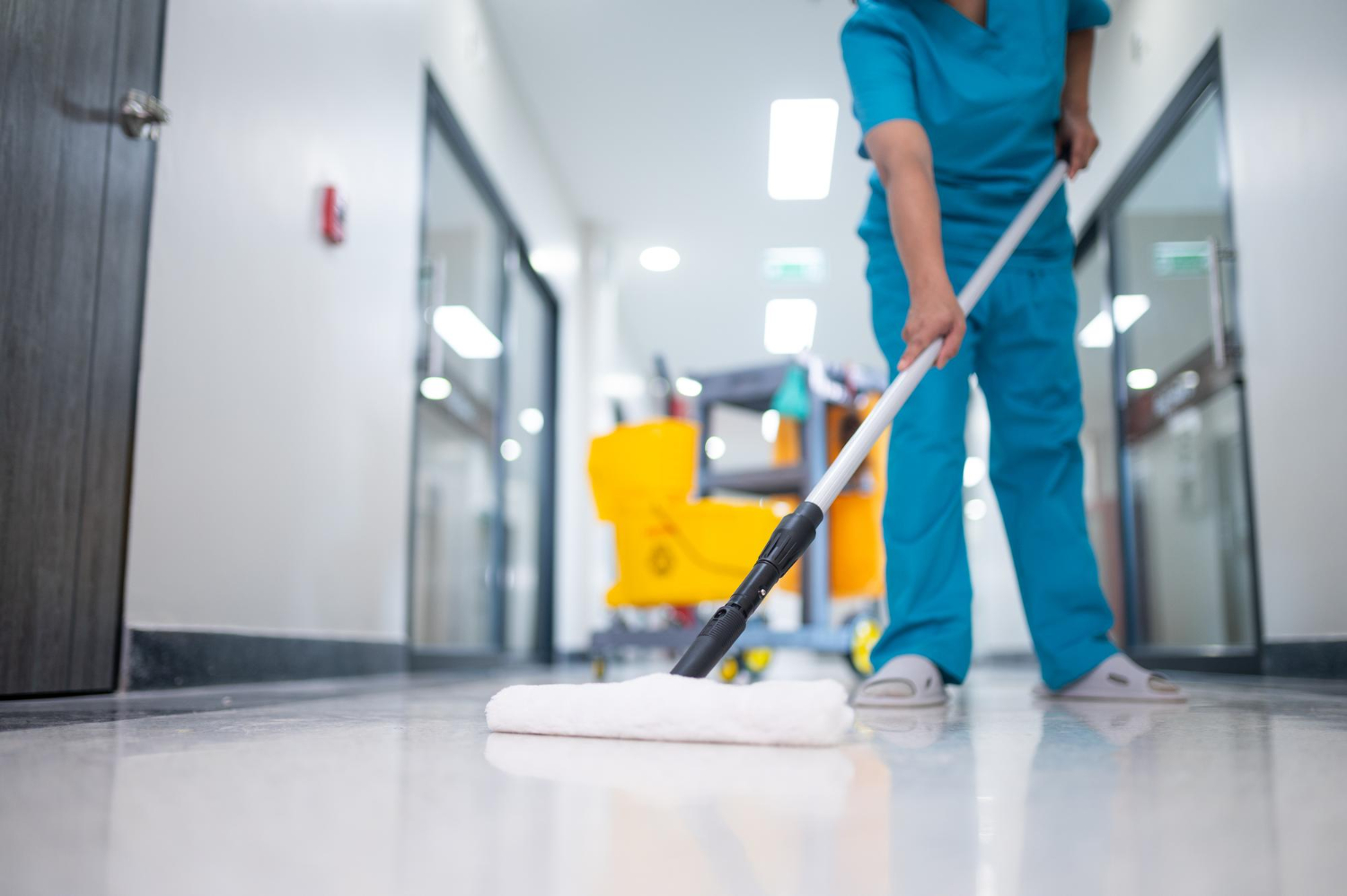
Daily cleaning records in commercial early learning centres are part of your evidence trail, not just a roster on the wall. They help you demonstrate that you control infection risks, meet the ECE licensing criteria and the Education (Early Childhood Services) Regulations 2008, and meet your health and safety obligations under the Health and Safety at Work Act 2015 across multi-room, multi-site operations.
When a Ministry of Education licensing assessor or an ERO reviewer walks into a large centre during a bad winter virus run, they test your systems. They look for records that match what they see on the floor, not a generic 'cleaned daily' note laminated in the staff room.
How ECE Licensing, ERO and Health and Safety Connect to Cleaning Logs
Across commercial early learning services, cleaning evidence feeds directly into how your service is assessed against the licensing criteria that sit under the Education (Early Childhood Services) Regulations 2008. It also supports your duties under the Health and Safety at Work Act 2015 and any public health guidance in force.
Cleaning practices and records most often link to:
• Health and safety practices criteria: children’s health, hygiene and infection control
• Premises and facilities criteria: rooms, bathrooms, sleep spaces and outdoor areas that are safe and well maintained
• Governance, management and administration criteria: the systems and records behind day-to-day practice
In larger services, Ministry of Education licensing staff, ERO reviewers and WorkSafe New Zealand inspectors look for systems that are simple enough for educators and cleaners to use on a busy day, yet structured enough to stand up to a licensing assessment, an ERO review and internal audits. Logs should be consistent across rooms and, where applicable, across multiple services in your group.
What Reviewers Look for in Cleaning Evidence
Several licensing expectations are directly influenced by cleaning documentation. Common touch points include:
• Illness and injury management: hygiene practices that limit the spread of infection
• Premises, furniture and equipment: surfaces, fittings and resources that are safe and well maintained
• Physical environment: an environment that actively supports children’s health and wellbeing
• Management systems: governance that supports safe, consistent service delivery
There is a difference between a static cleaning roster and a record that can be audited. A roster shows intended frequency. Licensing-ready records show:
• What was done
• When it was done
• By whom
• What was done if a task was missed or an issue was found
In practice, common gaps observed during licensing visits, ERO reviews or internal audits include:
• No traceable sign-off, just pre-printed ticks or blank columns
• No link between cleaning routines and your health and safety or infection control risk assessments
• No evidence that educators or cleaners have been inducted into cleaning procedures or had refresher training recorded
Designing a Practical Cleaning Log System for Commercial Centres
A workable cleaning log for a commercial ECE centre does not need to be complex, but it must be reliable. At a minimum, every log should capture:
• Zone or area (room, bathroom, sleep room, kitchen, outdoor yard)
• Task (nappy change bench, high chairs, toys, floors, touchpoints, food prep areas)
• Required frequency (after each use, hourly, daily, weekly)
• Responsible role (educator, cleaner, room leader, maintenance)
• Time-stamped sign-off (initials linked to a staff ID or digital login)
• Escalation notes (defects, spills, contamination events, broken items)
Across commercial sites, common formats include:
• Paper checklists: Low cost and visible, but require a filing process and controls for damage or loss
• QR code sign-in: Staff scan a code in each zone, which can feed into a central database, but requires reliable devices and Wi-Fi
• Basic app-based tools: Useful for multi-site operators who want live reporting and exception alerts, but need clear permissions and training
Whichever format you use, integrate your logs with existing health and safety documents. Cleaning entries should align with:
• Risk registers for infection control, slips and trips, sharps and chemical exposure
• Task analyses for cleaning work that involves chemicals, confined spaces or working at height
• Incident reports and illness logs, so you can trace a spill, exposure or outbreak back to the cleaning response
This structure helps you demonstrate that your cleaning practices sit inside your health and safety management system and are not an informal add-on.
Linking Cleaning Evidence to Health and Safety, Infection Control and ISO
Daily cleaning records sit at the intersection of health, safety and quality management. From a health and safety perspective, your logs should help you show:
• That staff use and store chemicals according to the Safety Data Sheets (SDS) and your task analyses
• That required PPE is available and used for relevant tasks
• That incidents and near misses related to cleaning are recorded, investigated and closed out
During winter virus peaks or declared outbreaks, your infection control plan needs to be visible in your records. Practical examples include:
• Increased frequency of high-touch cleaning (handles, rails, tables, toilets, cot sides) recorded from a defined start date
• Extra entries for sleep rooms, bedding, cots and nappy change areas that reflect your policy and public health advice
• Specific outbreak logs capturing date, rooms affected, case numbers and the cleaning response implemented
Where you use a provider that operates to ISO 9001 and ISO 14001, you should expect documented procedures, audits and corrective actions. On the cleaning side, this usually includes:
• Standard work instructions for each routine and area, referencing the chemicals and equipment used
• Scheduled internal inspections and documented cleaning audits, including findings and corrective actions
• Evidence of continuous improvement when non-conformances or complaints are identified
When contractor records sit alongside your centre’s own logs, your evidence trail is stronger in any licensing, ERO or WorkSafe New Zealand review.
Training Educators and Cleaners to Maintain Records
Cleaning systems only work if educators and cleaners can use them under pressure. Training should be short, practical and repeated as part of your regular health and safety and internal evaluation cycles.
Effective methods across larger services include:
• Toolbox talks during staff meetings, with sign-in sheets kept as evidence
• One-page SOPs posted near sinks, change areas and cleaning stations
• Visual prompts on trolleys and storage cupboards that match the log terminology
Role clarity is critical. You should be able to document and explain:
• Which tasks belong to educators and which to contracted cleaners
• Who cleans nappy change areas between children and at the close of shift
• Who is responsible for toys, sleep mats, cots, food service areas and outdoor equipment
To avoid record fatigue, embed documentation into existing routines. Examples that work in busy centres include:
• Aligning final safety and hygiene checks with log completion at the end of each session
• Having room leaders review logs at set times and close out any gaps before the end of the shift
• Including spot checks of cleaning quality and log completeness in centre manager or person responsible walk-throughs
Seasonal Adjustments That Stand up to a Licensing Visit
Licensing assessors and ERO reviewers respond well to services that demonstrate dynamic risk management rather than static schedules. Winter respiratory peaks, gastro outbreaks and high utilisation periods should be reflected in your documented cleaning schedules and your records.
Good practice is to show clear, time-bound adjustments such as:
• Temporary increases in frequency for specified tasks in defined rooms or age groups
• Focus on high-risk items like door handles, rails, shared resources, bedding and cot frames
• Documented start and end dates of heightened cleaning responses, linked to illness data or health alerts
Communication should also be documented. Simple methods that hold up in audits include:
• Notes or copies of messages to whānau and families about illness, cleaning changes and exclusion periods
• Staff meeting minutes that record cleaning changes, expectations and any resourcing adjustments
• Brief outbreak summaries attached to your cleaning and illness records, showing decisions, actions and review
This provides a clear line from illness trends, to risk assessment, to cleaning practice, to communication with stakeholders.
Using Cleaning Evidence to Strengthen Governance
When cleaning logs are well structured and aligned with the licensing criteria, your health and safety system and your service policies, they become part of your governance evidence, not just a back-of-house task. In multi-room and multi-site operations, they help you see patterns, resourcing gaps and training needs.
Many operators schedule a short internal audit of cleaning records at least annually. A practical starting point is to map one room or age group, tighten the documentation for four weeks, review what worked and what did not, then roll the refined approach across the service with minimal disruption.
If you engage an external commercial cleaning provider, require them to supply their own log templates, audit reports and corrective action records and integrate these with your internal system. Document these expectations in your service agreements so they can be produced during a licensing visit, an ERO review or a regulator inspection.
Lock In Cleaning Evidence That Stands Up At Licensing Review
If you want cleaning logs, task analyses and daily sign-off that a reviewer will actually trust, we can build that into your contract and your site routines. Our ECE and school cleaning programme is designed around the licensing criteria and the Education (Early Childhood Services) Regulations 2008, not just generic commercial specs. We align scopes, frequencies and proof of service so your team is not scrambling for evidence the week before a licensing visit or ERO review. To book a site visit or request example checklists and documentation packs, please contact us.