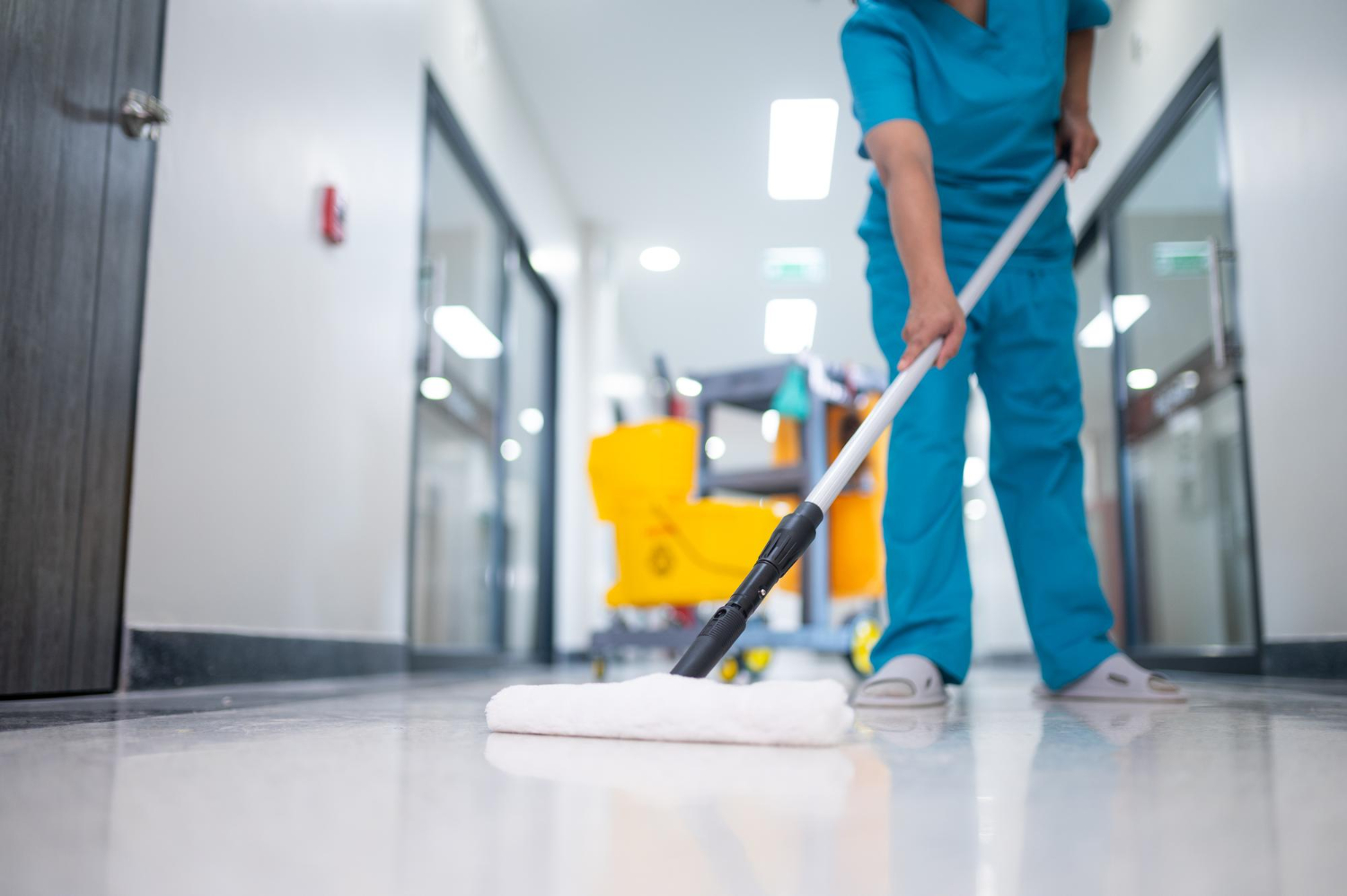
After-hours retail store cleaning is never just about shiny floors. Once the doors close and the public is gone, the risk profile changes completely. Lone workers, alarmed zones, cash on-site, and dark loading docks all bring health, safety and security issues that need clear, practical controls.
In this article, we walk through how to build a safety plan that actually works on the ground. We cover risk assessment at night, lone worker controls, access and alarms, incident escalation, training and how to turn a written plan into daily practice across cleaning, security and tenancy teams.
Why After-Hours Cleaning Needs a Safety Plan
Retail trading hours have stretched, especially around late-night trading and peak sales periods. That often pushes retail store cleaning into the 10 pm to 6 am window, when staffing is low and support is thin.
During these hours, cleaners may be the only people onsite, or sharing the centre with a small security team and a few late contractors. Risks shift from crowd management to isolation, security exposure and fatigue.
Key risk factors after-hours include:
• Lone workers in large tenancies or common areas
• Cash on premises and safe rooms nearby
• Stockrooms and high-value merchandise
• Shared loading docks with limited access control
• Mixed-use precincts, including carparks and public areas
Under the Health and Safety at Work Act 2015 and WorkSafe New Zealand guidance on remote or isolated work, PCBU duties clearly extend to after-hours cleaning. Officer due diligence under that Act, supported by an ISO 45001 style management system, means showing documented risk controls, genuine worker engagement and regular review. A proper safety plan is a defined control within that due diligence framework.
Mapping After-Hours Risk in Live Retail Environments
A daytime risk assessment will miss half the issues. You need to walk the site during actual cleaning times, with cleaning and security supervisors together. Check lighting levels, line of sight, who else is onsite and how quickly help can arrive.
During the night tour, focus on:
• Lighting in back corridors, loading docks and carparks
• CCTV coverage and blind spots, including bathrooms and fire stairs
• Emergency egress routes that are locked, blocked or alarmed
• Access to first aid, duress points and phones
• Zones that remain alarmed while cleaning is in progress
Common hazards in retail store cleaning include unsecured rear doors propped open for airflow, mixed access to shared loading docks, intoxicated members of the public wandering in from nearby venues, other contractors working overhead and cleaners passing close to high-value stock areas without cameras.
Findings should feed straight into the health and safety risk register, task analyses and site-specific induction packs. For sites with extended late-night trading or big promotional events, add seasonal risk notes and temporary controls, then review them again before the next peak period.
Lone Worker Controls That Actually Work
Remote or isolated work is specifically called out in New Zealand's health and safety regulations. For retail cleaning, that often means a single cleaner in a tenancy, a cleaner at a distant bathroom or someone taking waste to compactors at the far end of a loading dock. The controls need to be simple, reliable and checked.
Practical lone worker controls include:
• Sign-in / sign-out at a central point, aligned with alarm logs
• Buddy systems for higher-risk tasks or areas
• Scheduled check-in calls or app prompts at fixed intervals
• Certified lone worker devices with duress and man-down alerts
• Agreed no-go zones unless two people are present
These controls must be built into normal tasks like mall sweeps, back-of-house scrubbing, bin runs and bathroom cleaning in remote corners. If the procedure is clunky, it will not be followed.
Task analyses for lone work should spell out communication methods, frequency of checks, emergency contacts and conditions where work must stop. Supervisors need to verify compliance through audits, toolbox talks and review of check-in records, not just trust that it happens.
Smart Access, Alarms and Keys in Multi-Tenant Centres
Access is often where risk blows out. Too many keys, shared alarm codes and unclear boundaries between cleaning, cash handling and secure stock rooms are common. A good plan separates access by role and records every change.
Typical access options in retail environments include:
• Traditional key sets, simple but hard to control once copied
• Swipe or proximity cards, easy to cancel, good for logging
• App-based access control, flexible but reliant on phones and connectivity
• Contractor profiles within the centre security system
Cleaning staff should only have access to the areas they need for that shift. Alarm protocols must explain which zones can be disarmed, in what order, and how to avoid triggering intrusion alarms in tenancies that are not being cleaned.
Facility managers, tenants and the cleaning contractor need a clear system for:
• Key and card registers with sign-out and sign-back-in
• Lost or stolen key escalation and re-key decisions
• Access logs and exception reports
• After-hours security post orders that cover cleaners on site
• Temporary changes during peak trading or refurbishments
Escorts by centre security may be required for certain routes, such as cash-adjacent corridors or external waste areas late at night.
Incident Response, Escalation and Reporting
Incidents after-hours look different to daytime. A single aggressive member of the public, a slipped cleaner in an empty corridor or a suspected break-in carries more weight when help is not right there. The plan must define what is an incident and who gets called, in what order.
Incidents can include aggression or threats from members of the public, medical events, slips, trips and falls, damage to stock, suspected security breaches, near misses at loading docks or chemical spills. Near misses are often ignored but provide critical learning data.
Escalation pathways should set out:
• When to call 111 first, without seeking supervisor approval
• When to call centre security and how to reach them
• When to notify the tenancy manager or centre management
• When and how to contact the cleaning supervisor or on-call manager
• Timeframes for initial report and follow-up investigation, including any notifiable event that must be reported to WorkSafe New Zealand
ISO 9001 and ISO 45001 frameworks support this with digital incident forms, root cause reviews, corrective actions and trend analysis. Retailers and cleaning providers can use this data to adjust patrol patterns, lone worker controls and access rules before the next late-trading spike.
Training, Drills and Daily Practice
Controls only work if people know them and can apply them under pressure. After-hours retail store cleaning teams need more than a quick floor-scrubber handover. Training must be job-specific and refreshed regularly.
Core training for these teams usually covers health and safety awareness, site induction, manual handling, chemical handling, aggression management and emergency response. For large centres, cleaners should also know how to operate duress points, read evacuation diagrams and follow centre emergency control procedures.
Simple, regular drills keep the plan live, such as:
• Walking evacuation routes from back-of-house areas
• Testing duress alarms and lone worker devices
• Simulated power failure in low-light zones
• Lock-in scenarios where exits or roller doors do not open
Competency checks, refresher training and clear records help manage high staff turnover and varied language skills. As a commercial cleaning and facility services contractor working under a quality, safety and environmental management system built to ISO 9001, ISO 14001 and ISO 45001, we record reductions in incident rates when clients document KPIs around training completion, drill frequency and joint night audits. A documented safety plan must be supported by visible supervision and consistent practice on the floor to be effective.
Strengthen Your After-Hours Cleaning Safety And Security Controls
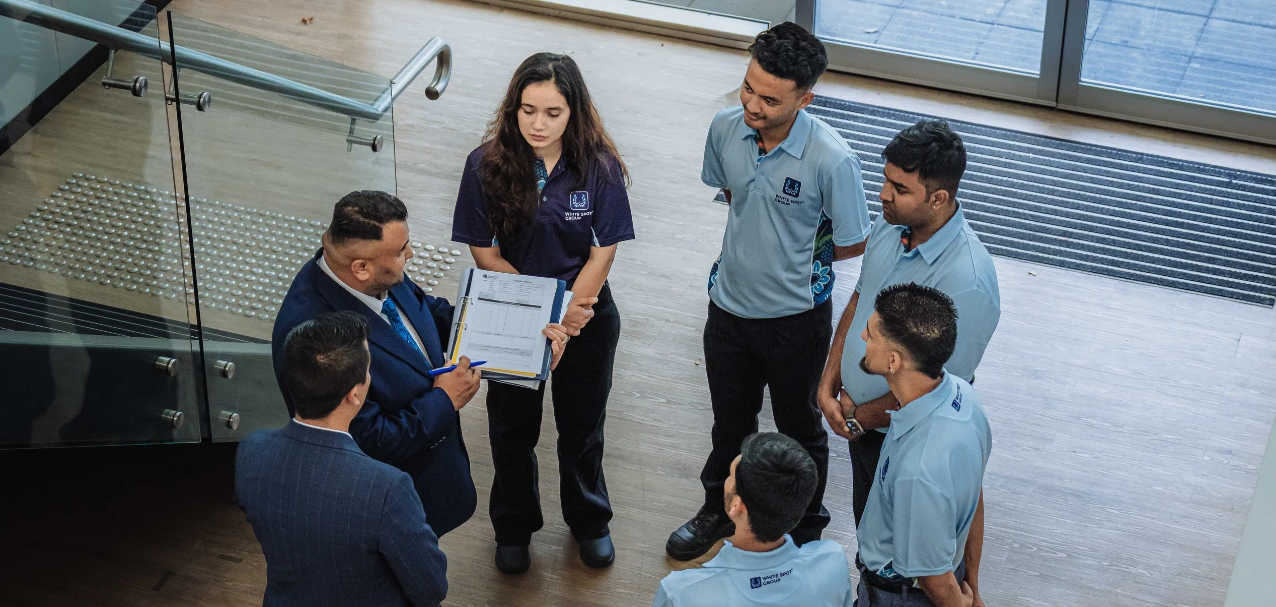
If your after-hours cleaners are working alone or with limited supervision, your risk profile is higher than most boards realise. At White Spot Group we design and deliver retail store cleaning programmes that meet health and safety obligations under the Health and Safety at Work Act 2015, integrating access control, incident escalation, and clear task analyses into day-to-day operations, not just onto a policy shelf. We can review your current lone worker controls, contractor induction, and alarm response procedures, then align them with your ISO-based management systems and your existing security contracts. To book a site walk and safety review with our team, please contact us.