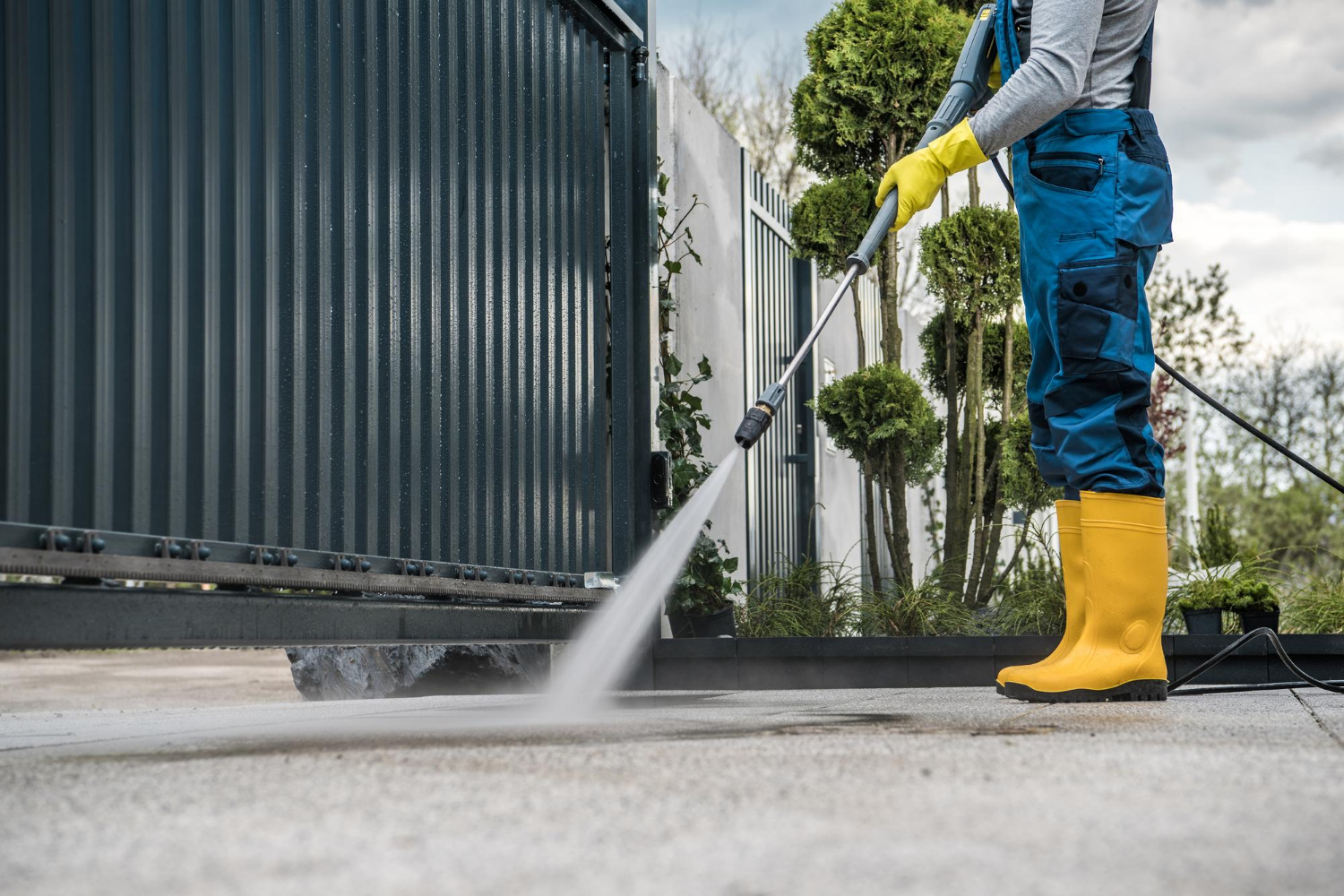
Summer break gives schools the clearest window to reset their spaces before Term 1 begins. With pupils and most staff away, we can complete deeper work without interrupting lessons, meetings or daily routines. It is also the right time to coordinate cleaning with planned repairs, building upgrades and holiday programmes.
A normal term-time clean keeps day-to-day areas presentable, but it rarely allows enough time for restorative work across classrooms, staffrooms, toilets, halls, gyms and shared facilities. When you compare school cleaning contractors, a well-planned summer programme helps protect surfaces, improve presentation and ensure the site is ready for reopening.
Use the Summer Break to Reset Your School
The December to January closure period can pass quickly. Many schools need cleaning completed within a tight timeframe, while also managing painters, builders, electricians and other trades on site. Early planning gives everyone a clearer run at the work.
During a summer reset, we often recommend looking beyond visible dust and rubbish. Floors, windows, high surfaces and hard-to-reach areas can need attention after a busy school year. A clean, orderly environment also gives staff a more welcoming place to return to after the break.
A tailored plan can cover areas such as classrooms, administration offices, kitchens, bathrooms and external entry points. The aim is not simply to make a site look clean on handover day, but to prepare it properly for the demands of a new term.
Know What Your School Needs Before Comparing Contractors
A generic quote can make comparisons difficult. Before approaching school cleaning contractors, we recommend preparing a site-specific scope that explains what needs cleaning, where it is located and when the work must be complete.
Every school is different. Older buildings may have hard floors needing restoration, while newer sites may have large glass areas, specialist learning spaces or several shared facilities. Student numbers, building layout and holiday access all affect the staffing and time needed.
Your scope may include:
- Carpet extraction in classrooms, libraries and staff areas
- Hard-floor scrubbing, polishing or restorative cleaning
- Interior and exterior window cleaning
- High dusting, cobweb removal and detailed surface cleaning
- Deep cleaning for toilets, kitchens and rubbish rooms
It also helps to list priorities building by building. Include classrooms, science rooms, technology spaces, sports facilities, kitchens, bathrooms and entry areas, along with any required completion dates. With this detail, we can develop a clearer plan rather than making assumptions about the site.
Access and timing should be addressed early too. Contractors may need to work around holiday care programmes, construction projects, alarm systems, keyholder procedures and restricted areas. Clear information lets you compare proposals on a like-for-like basis, instead of choosing based on the lowest figure alone.
Compare School Cleaning Contractors Beyond Price
The cheapest proposal may not include the same level of work, supervision or follow-up as another quote. Under-scoped cleaning can lead to rushed results, missed areas or a last-minute scramble before staff return.
When reviewing proposals, we suggest asking what is included, what sits outside the scope and how any concerns will be handled. A detailed quote should make it easier to understand the planned labour, equipment, cleaning methods and expected timeframe.
Useful comparison questions include:
- Which areas and tasks are included in the proposed scope?
- How will completed work be inspected and signed off?
- What happens if an area needs to be re-cleaned?
- Who is responsible for communication during the closure period?
- Can the contractor resource multiple buildings within the required timeframe?
Education-sector experience matters as well. School cleaning contractors need to understand secure access, child-safe practices, sensitive spaces and the care required around school property. They should be comfortable working across primary, intermediate and secondary environments, including areas with specialised equipment or restricted entry.
Capacity is another practical consideration. During the busy summer period, cleaning teams may need to respond to changing site conditions or provide extra staff if maintenance work changes the schedule. Organised resourcing and consistent communication are particularly valuable across large, multi-building facilities.
Check Safety, Compliance and Staff Screening
Summer cleaning can involve work that is not part of a normal daily service. High-level dusting, machinery use, floor restoration and work around maintenance trades all need sensible planning and supervision.
Before appointing a contractor, we recommend asking how they manage health and safety for the specific tasks involved. The answers should be clear, practical and suited to the school environment.
Ask about:
- Task-specific risk assessments and safe work methods
- Chemical safety information and correct product storage
- Incident reporting and escalation processes
- Supervision for machinery or higher-risk cleaning tasks
- Site inductions, sign-in procedures and restricted-area controls
Worker suitability matters just as much as task planning. A cleaning team should arrive clearly identified, understand the school’s access rules and follow privacy expectations in offices, staff areas and storage spaces. Where your school requires police vetting or other screening, this should be discussed before work begins, not after the team is on site.
We also encourage schools to ask about environmentally responsible cleaning practices. Low-toxicity products, accurate chemical dosing, reusable materials and appropriate waste handling can support a healthier indoor setting for staff and students when the school reopens.
Measure Quality During the Break
A detailed scope works best when it is paired with clear quality checks. Without a way to inspect work, it is harder to know whether every agreed area has been completed to the expected standard.
A pre-start walkthrough creates a useful baseline. Together, we can identify priority spaces, note existing marks or damage and confirm access arrangements before cleaning begins. This helps prevent misunderstandings later, particularly where several contractors are working on site.
At the end of the programme, a post-clean walkthrough should confirm the result. It is a chance to check rooms, identify any outstanding items and make sure the site is ready for handover. We recommend agreeing in advance how re-cleans will be recorded, who approves completed work and how quickly concerns will be addressed.
Communication is especially important when decision-makers are away during the holidays. A dedicated contact person, regular updates and a simple escalation process can keep the project moving if weather, access issues, maintenance delays or unexpected contamination affect the schedule.
Plan Your Summer Cleaning Programme Early
The strongest summer cleaning programmes begin well before the end-of-year rush. Early walkthroughs give schools time to set priorities, coordinate with maintenance work and confirm realistic completion dates for each building or area.
By documenting the scope, checking safety expectations and agreeing how quality will be measured, you can make a more confident choice between school cleaning contractors. A clear plan gives everyone a better chance of reopening a clean, orderly and well-prepared school for Term 1.
Start Term 1 With a Cleaning Plan That Fits
White Spot Group New Zealand can help you compare school cleaning contractors with a service plan tailored to your premises, timetable and hygiene requirements. Our team can discuss practical summer-break cleaning priorities, from detailed classrooms and shared spaces to high-touch areas. Contact us to arrange a conversation about your school’s cleaning needs before the new term begins.